Rhythms of the Region
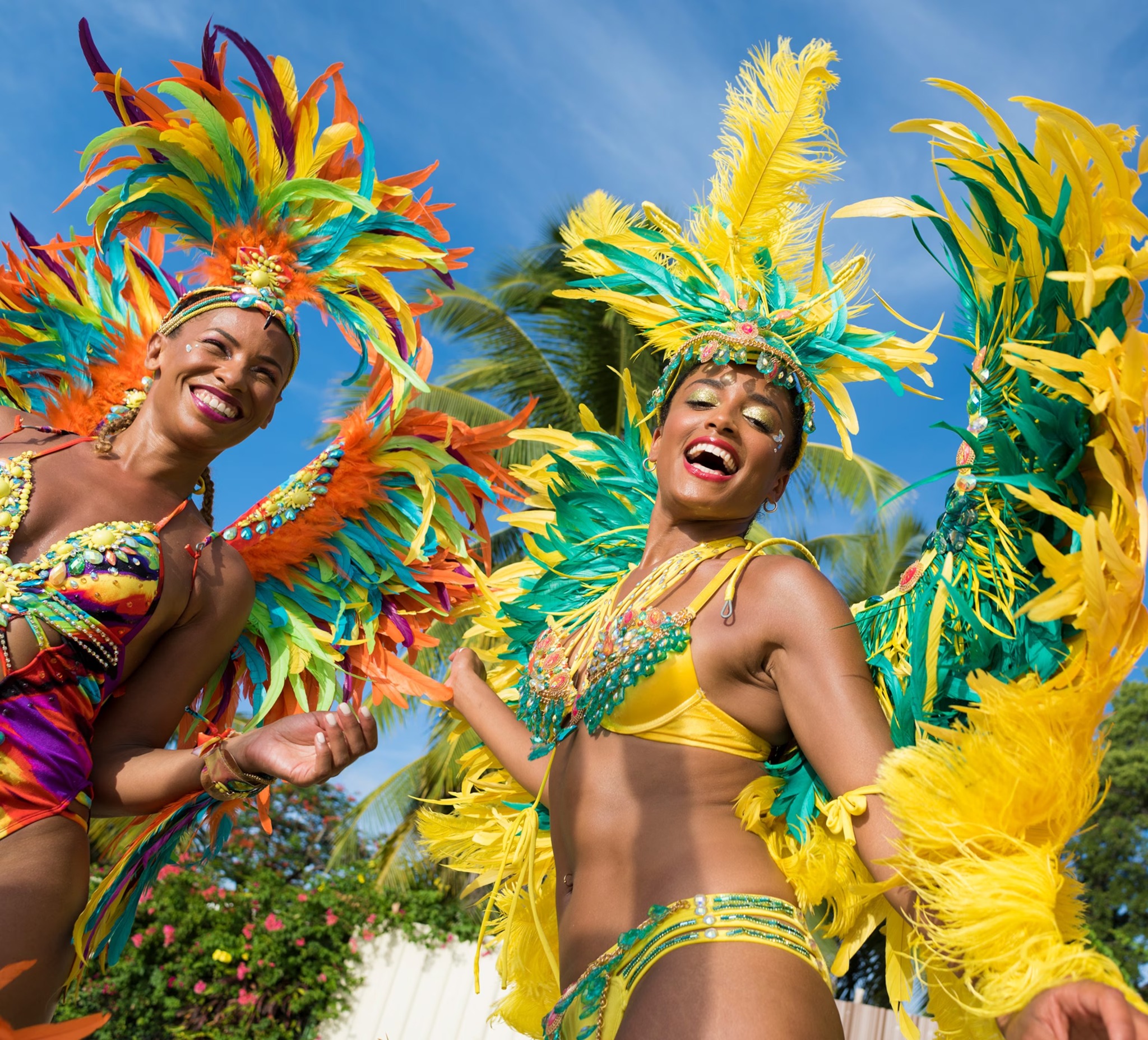
Across the archipelago and its coastal mainlands, the Caribbean’s festival culture is a living and explosive declaration of joy. Evident in Jamaica’s Reggae SumFest, Trinidad Carnival, and Haitian Vodou Festivals, the region uses public celebration to remember who it is.
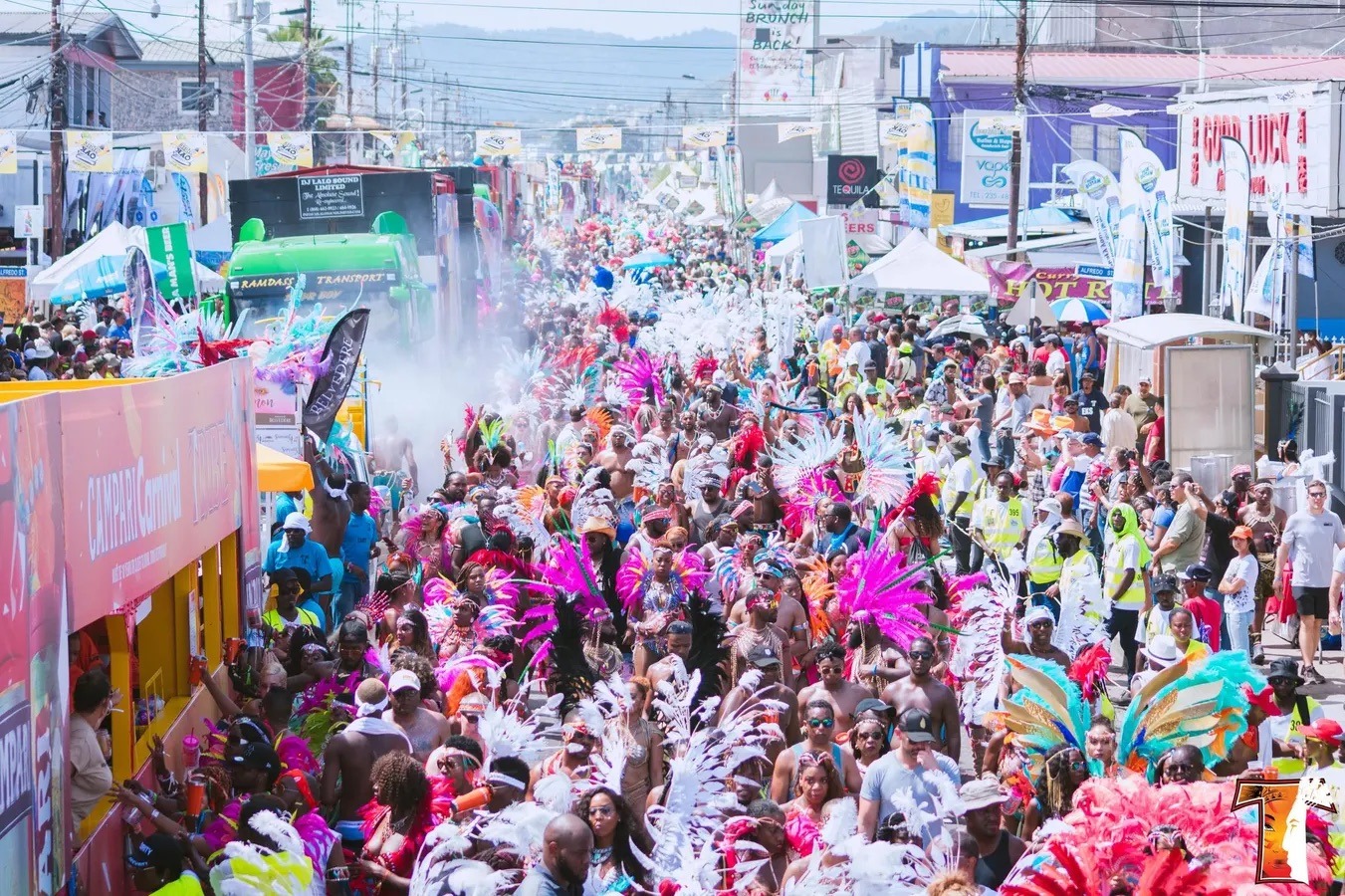
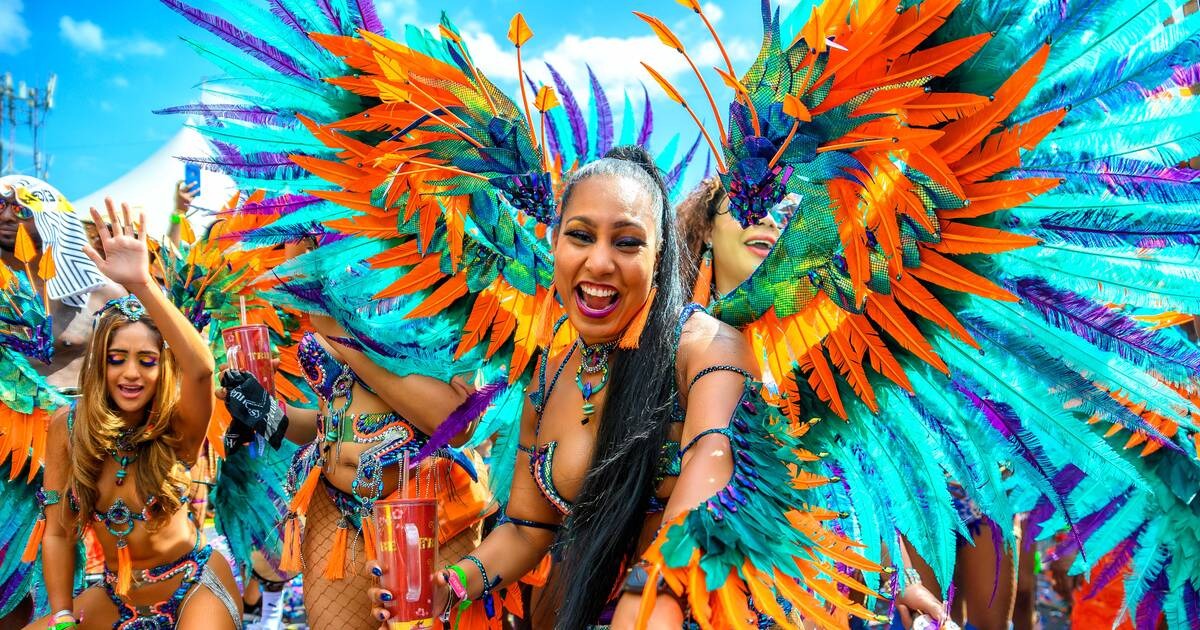
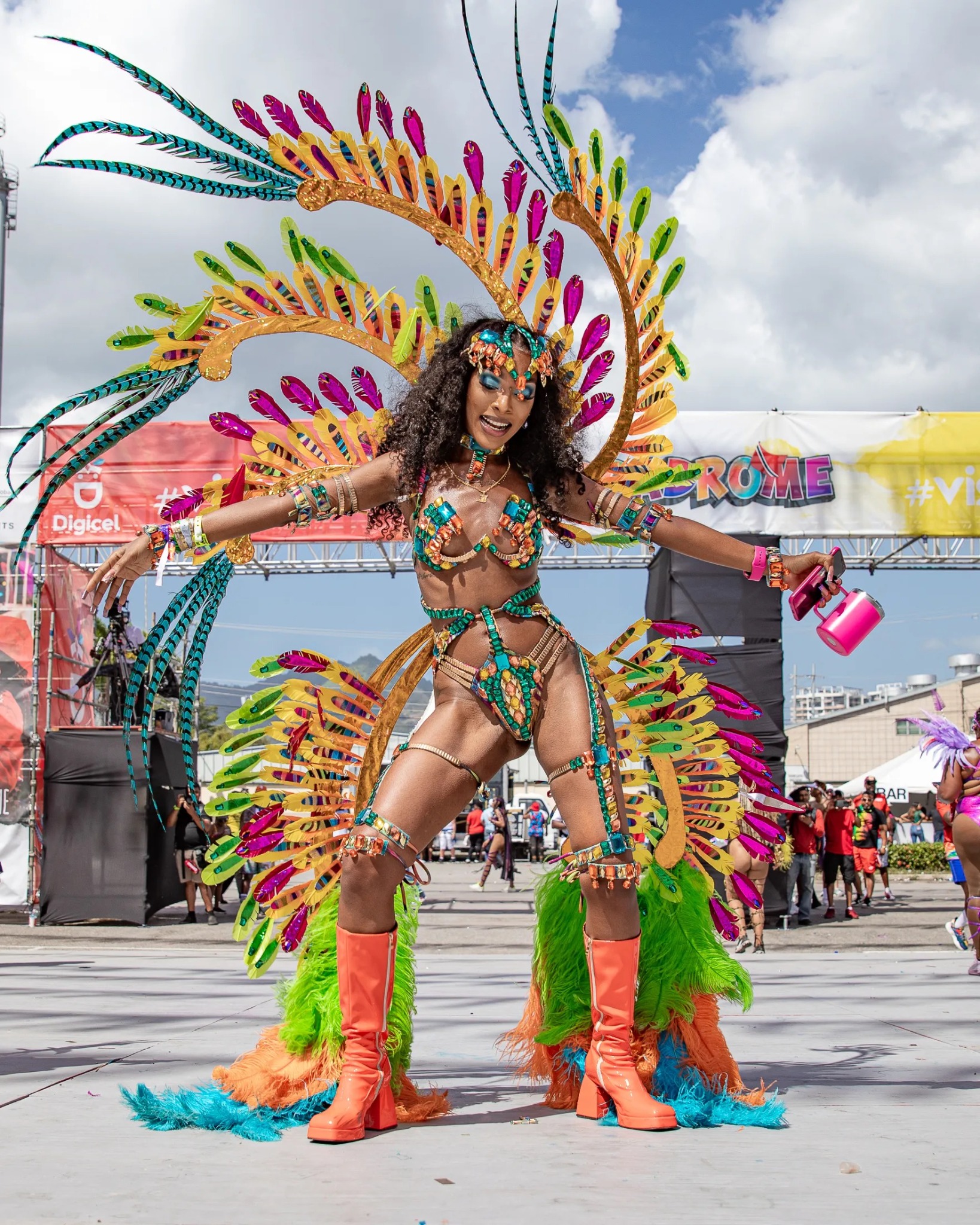
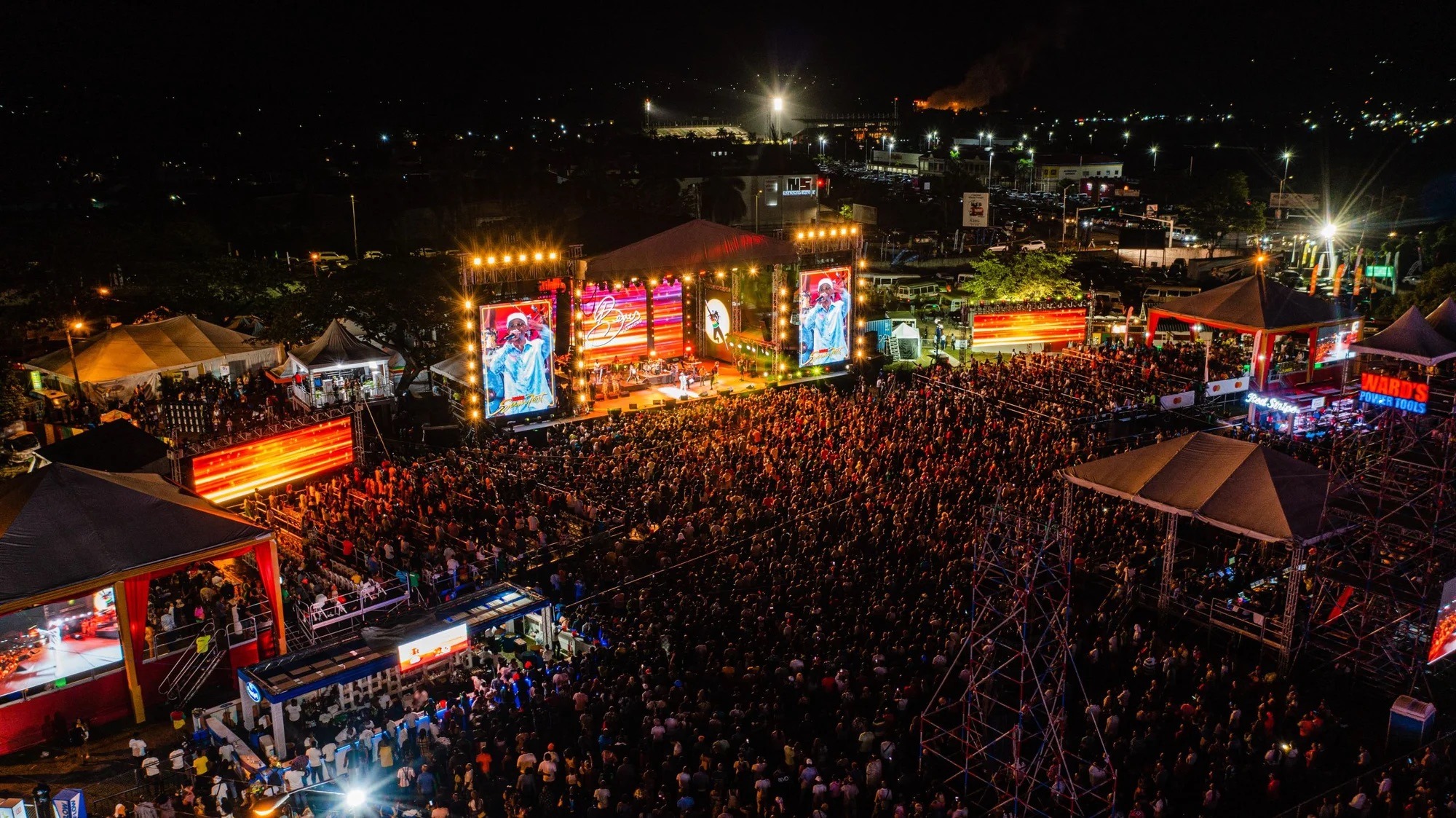
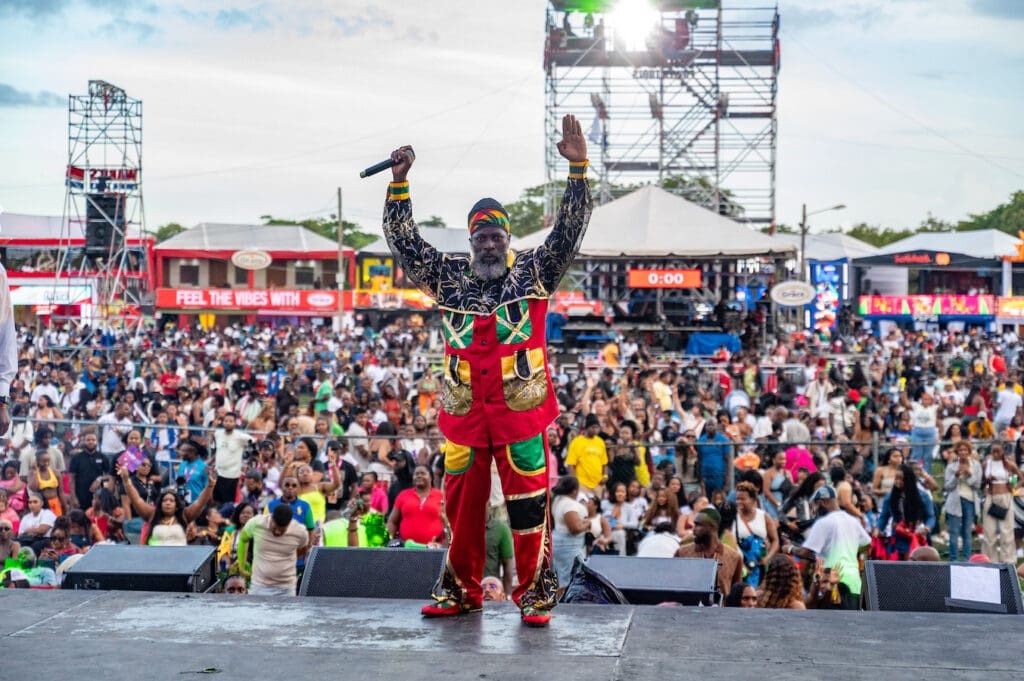
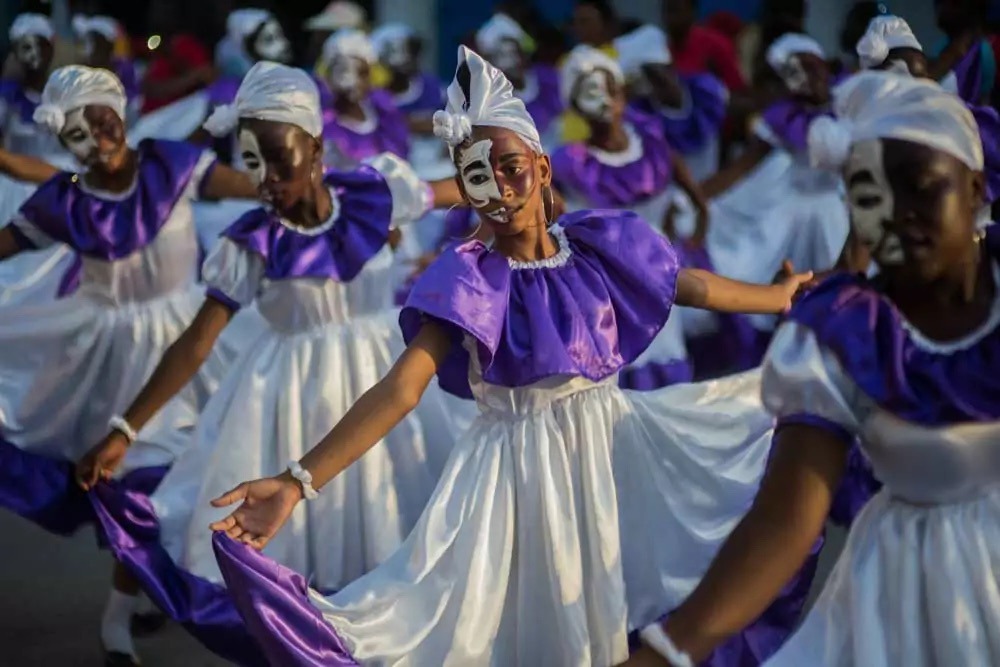
Shaped by its distinct six-race demographic, Guyana’s national celebrations seamlessly blend Indigenous heritage, African and East Indian traditions into a calendar where almost every month has a major holiday or celebration.
1. Mashramani
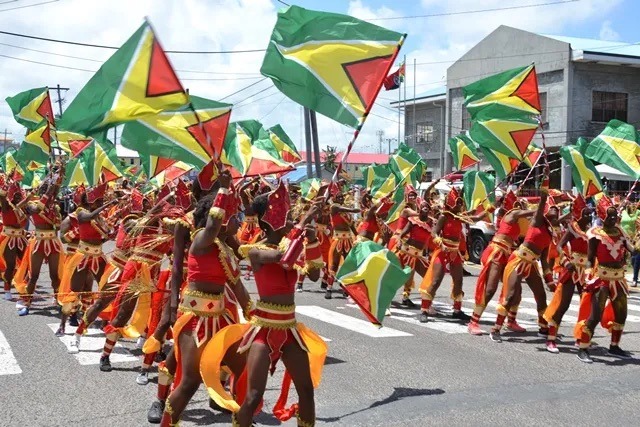
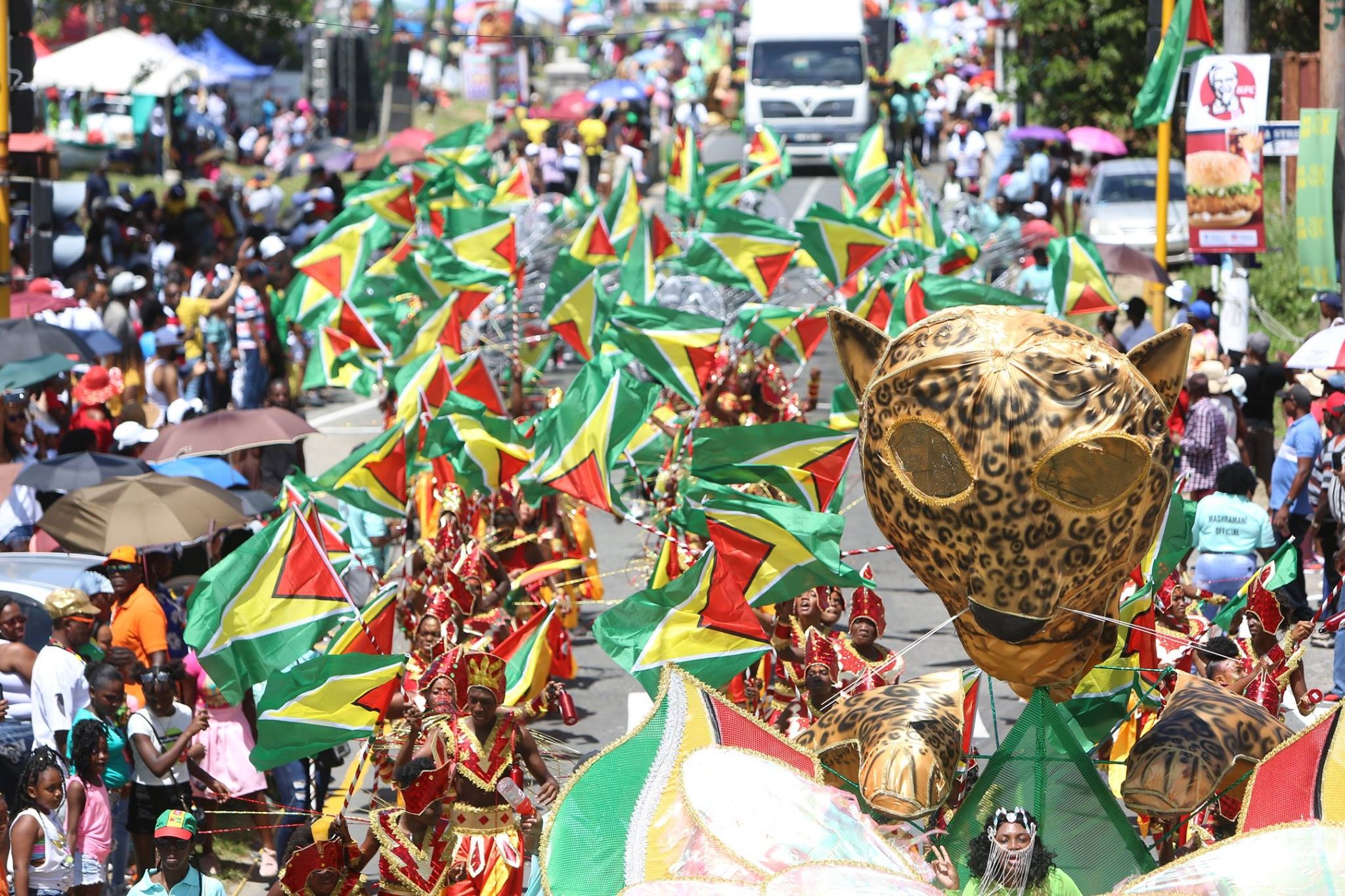
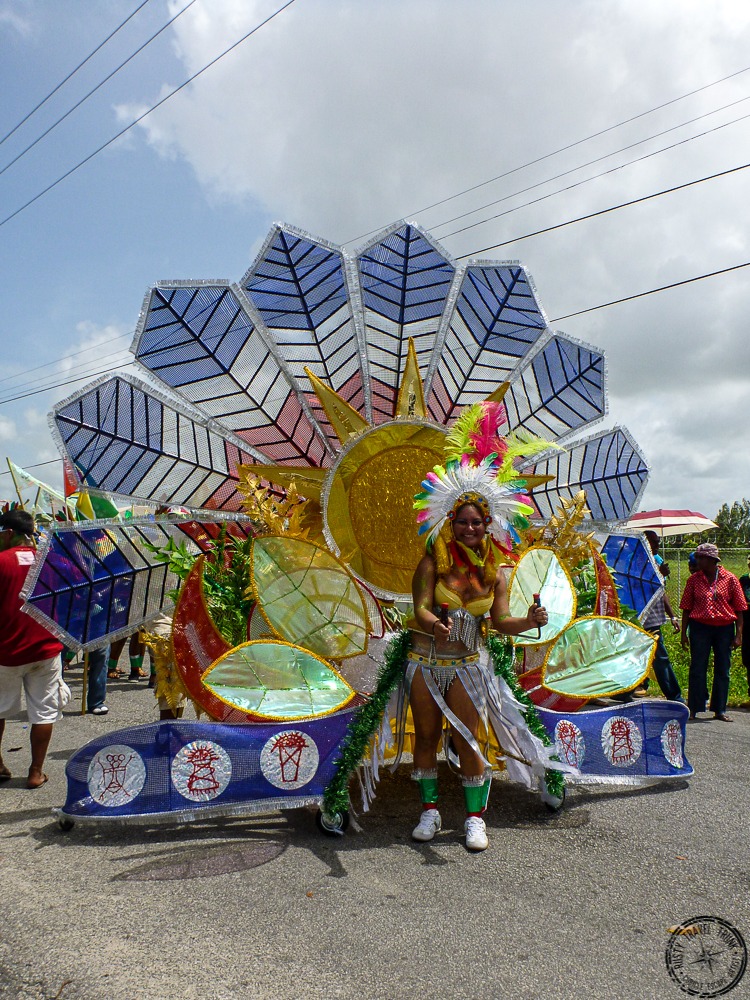
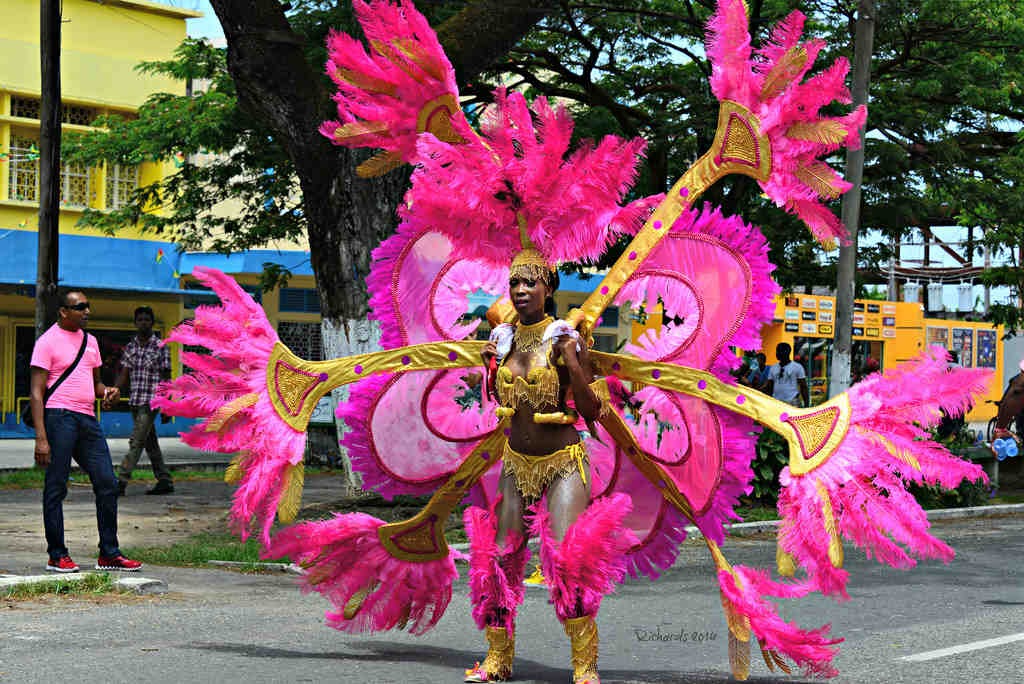
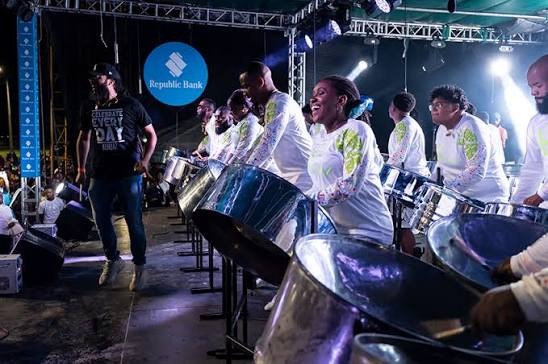
Every year on February 23rd, the streets of Georgetown transform into colourful costumes, steelpan beating, parades, towering floats, and truck-mounted sound systems blasting soca and calypso music. This is Mashramani (“Mash”), Guyana’s spectacular festival, celebrating its status as a Co-operative Republic, achieved in 1970. The name Mashramani is derived from an Indigenous (Arawak) word meaning “the celebration after hard work.” In the weeks leading up to the main parade, the Republic Bank Panorama steelpan competition gathers youth and master pan-tuners to showcase percussive arrangements of folk songs.
2. Phagwah
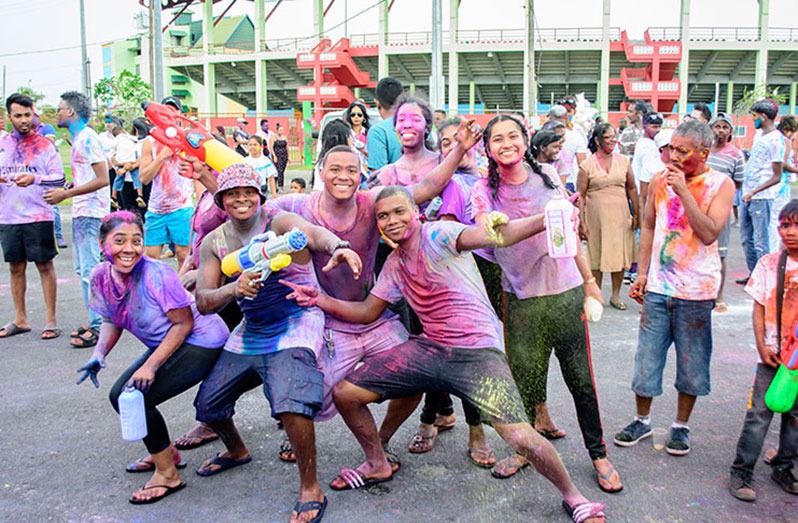
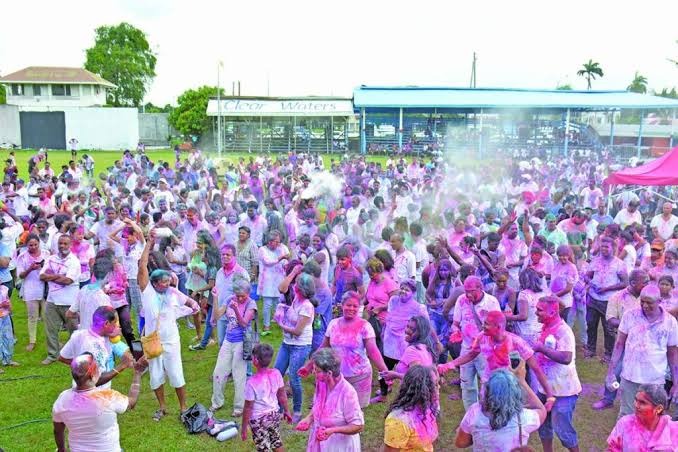
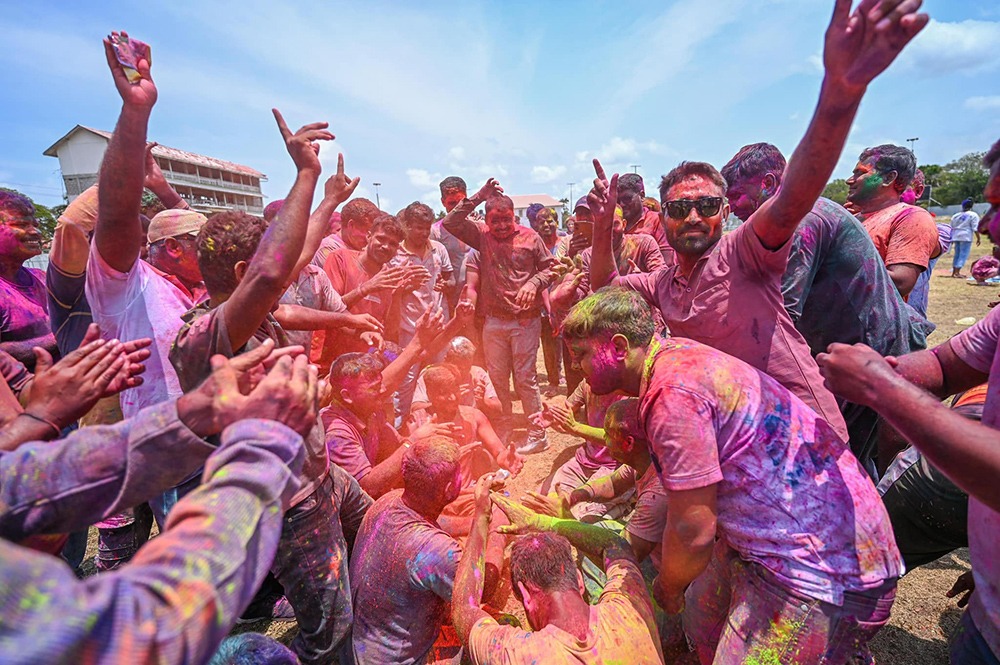
Phagwah (the Hindu spring festival of Holi) was brought to the shores of Guyana in 1838 by East Indian indentured labourers. Phagwah has transcended its religious boundaries to become a national holiday embraced by Guyanese of every race, creed, social class, ethnicity, and religion.
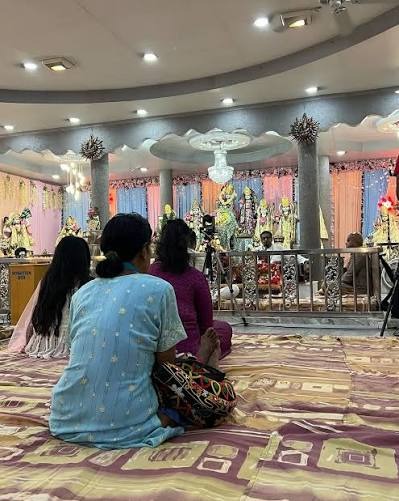
On Phagwah morning, families dress in unblemished white clothing. Hindu temples host morning services (puja) featuring chowtal singing accompanied by the dholak (drum) and majeera (cymbals). Neighbourhoods pour into the streets armed with abeer (dyed magenta, purple, and green liquid), talcum powders, and water guns. By 2 in the afternoon, everyone is sporting the same multi-coloured canvas of clothing under layers of powder.
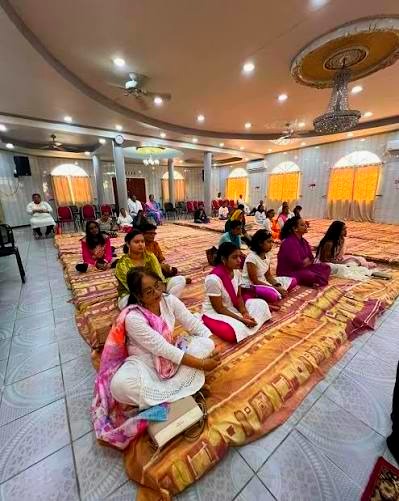
Beyond Mashramani and Phgwah, Guyana’s calendar features an unparalleled mix of multi-ethnic festivals that highlight how integrated the country’s cultural customs are.
3. Emancipation Day
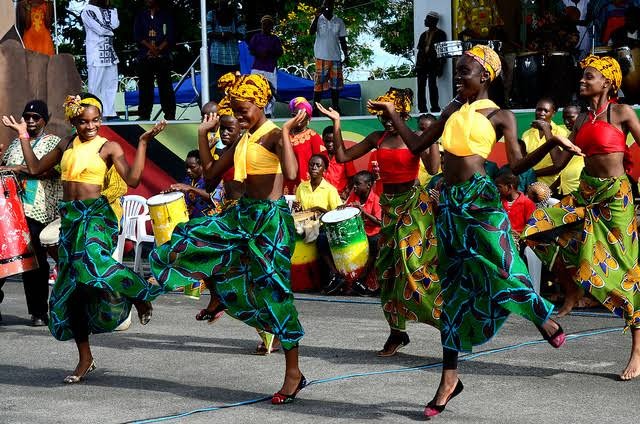
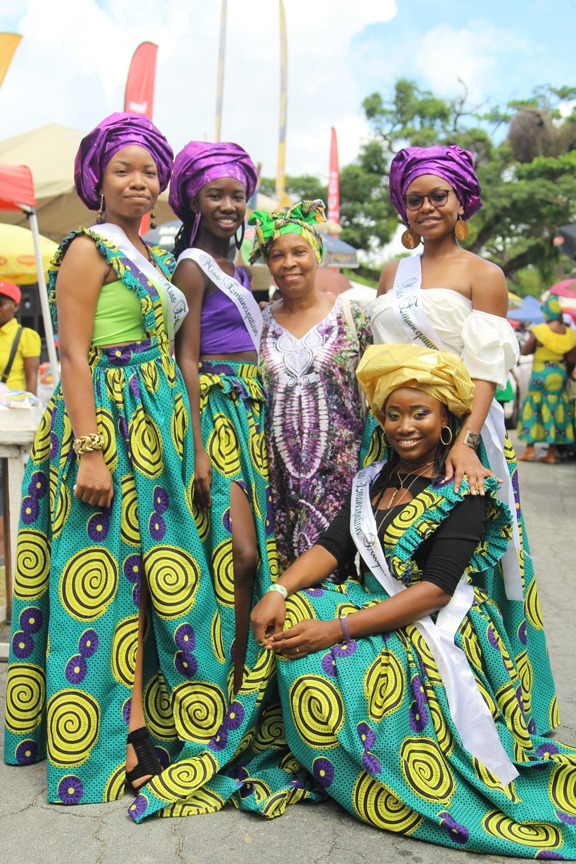
Celebrated on August 1 annually, Emancipation commemorates the abolition of slavery. The streets are filled with drumming, fashion shows and food.
4. Deepavali (Diwali)
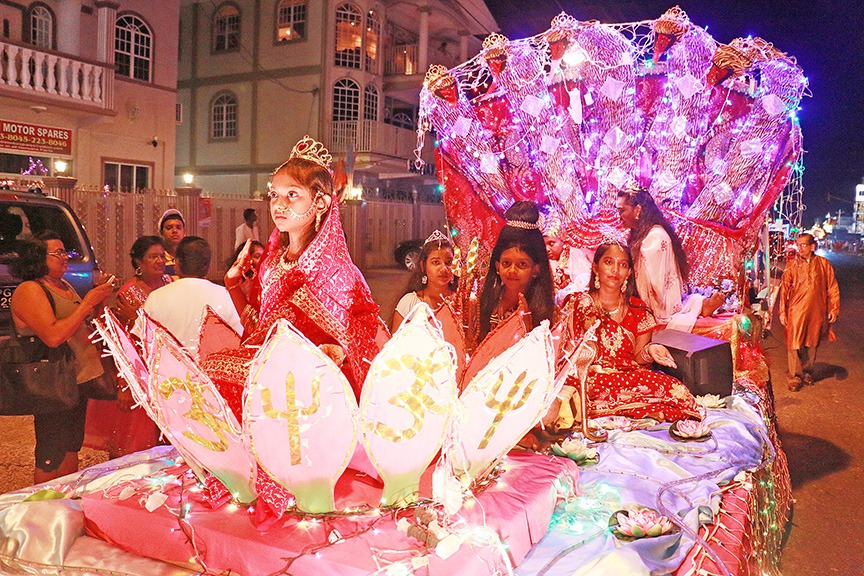
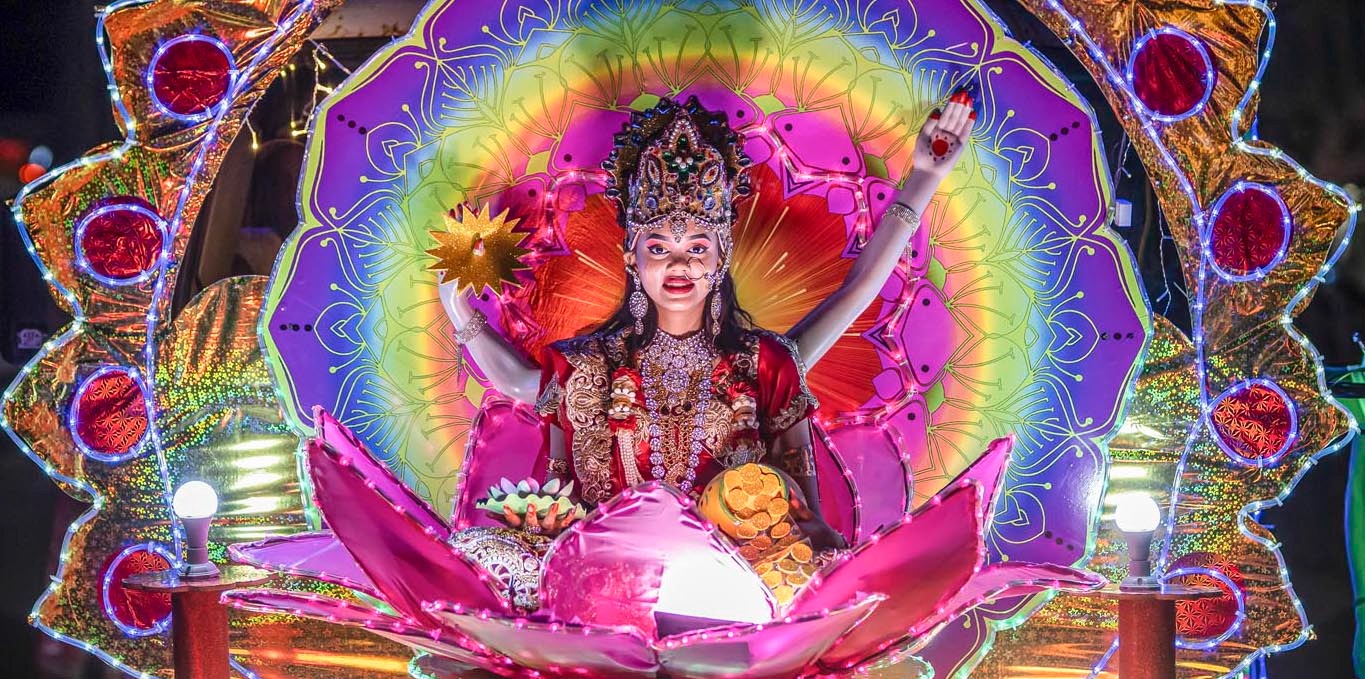
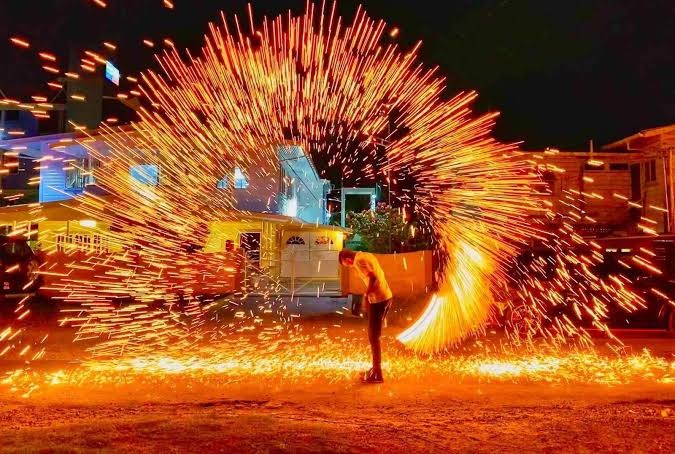
Diwali is the Festival of Lights and falls within October or November (depending on the sighting of the moon). The night sky is illuminated by thousands of handmade clay lamps, called diyas, fueled by coconut oil. Colourful motorcades of beautifully lit floats travel along the roads in glowing procession.
Post a comment