Shadows in the Sugarcane
To say that Guyanese culture is oral is an understatement. Long before any of the stories about Ole Higue and the Massacooramaan were bound to paper by writers like Wordsworth McAndrew, they were kept alive in the dark on starlit nights, passed down through generations to teach children boundaries, keep communities safe, provide entertainment, preserve history and to explain the unexplainable.
To fully understand the history of folklore, we need to question why we create monsters. In the West, folklore is often treated like a quaint fairy tale, but in Guyana, it is a living map. When you analyse our oral traditions, you quickly realise that our mythical entities were born at the exact intersections of our Amerindian, African, East Indian, and European ancestral roots, where they collided into an unpredictable landscape of deep rivers and endless bush.
Monsters might exist to scare us, but our monsters exist to enforce social codes, preserve ancestral warnings and history.
1. The Massacooramaan
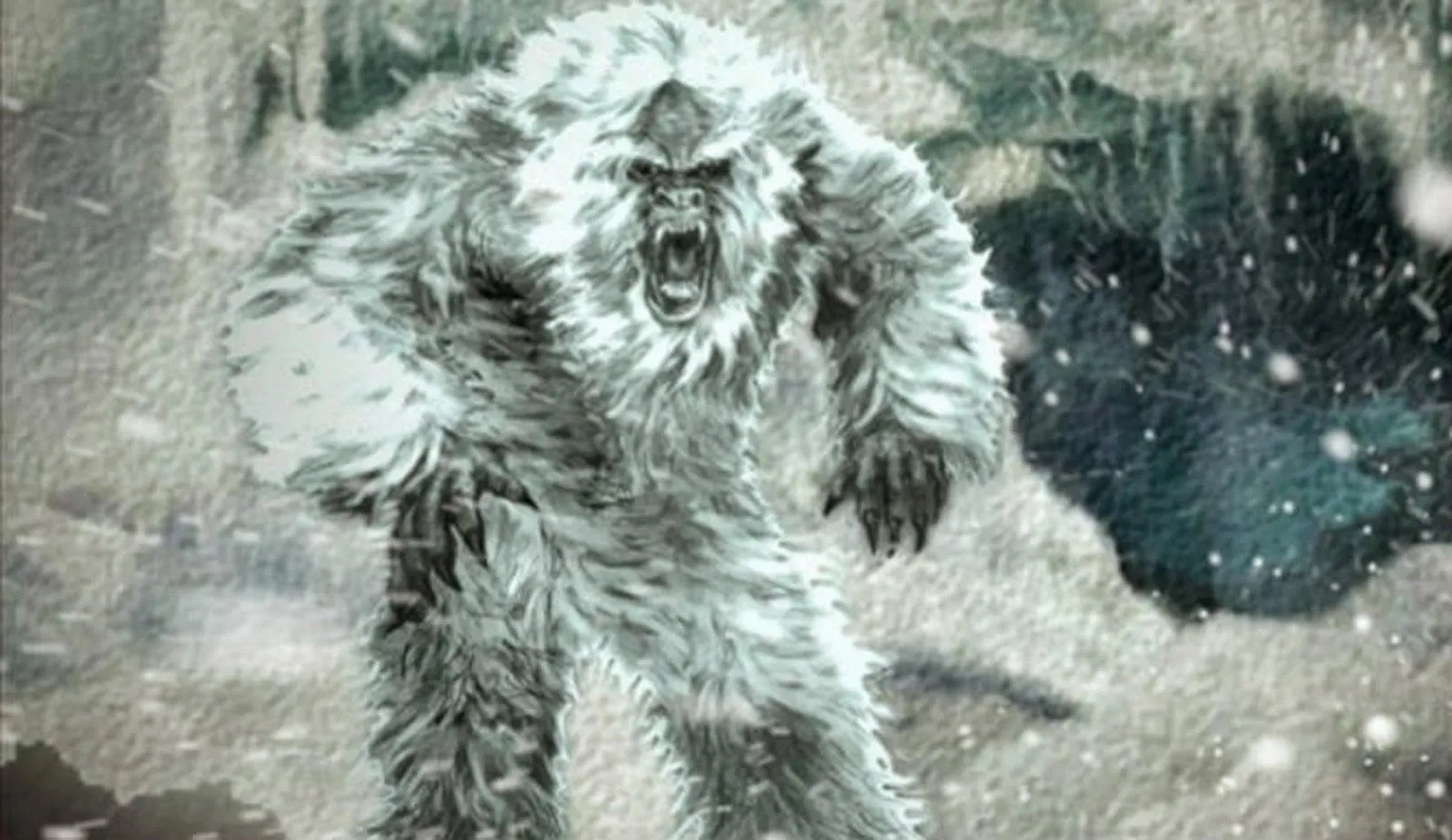
According to legend, the Massacooramaan is a giant, hairy, ape-like water monster that dwells in the treacherous rivers and creeks of the Guyanese interior. It is known to capsize boats and drag loggers and miners to the depths.
As a child, you would think the massacooramaan was a monster born out of boredom, but it is actually a manifestation of the peril of the interior. For centuries, the rivers were (and still are) the main highways into the bush, filled with rapids, caimans, and whirlpools.
Through oral storytelling, the Massacooramaan became a survival mechanism, teaching generations of miners, loggers, and travellers not to disrespect the water. If a boat capsized because a crew was reckless or overloaded, the massacooramaan claimed them. It personified the untamed power of nature that refuses to be conquered by human greed.
2. The Ole Higue
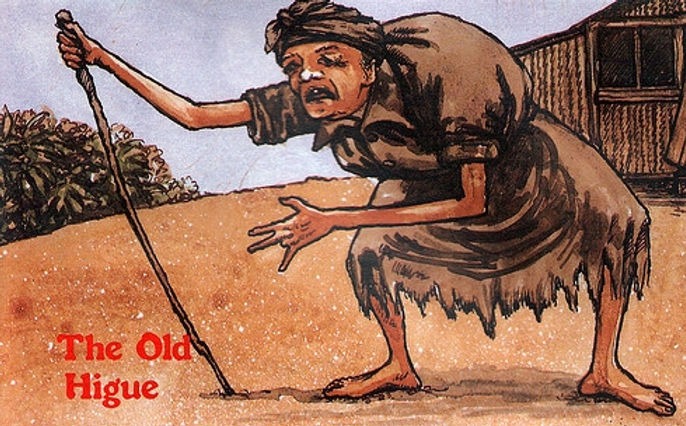
Ole Higue is an old woman who strips off her skin at night, stores it in a calabash shell, and transforms into a fiery ball of light that flies through the air to suck the blood of sleeping babies. Her weakness? If you find her skin and coat it with hot pepper or salt, she cannot put it back on and will wither away. Alternatively, you can scatter raw rice or manicou peas at your door. She is cursed with a compulsive need to count every grain before entering, leaving her trapped until the morning sun destroys her.
The Ole Higue is one of the most complicated and tragic figures, carrying West African roots. She represents the terror of unexplained tragedy and infant mortality in early rural communities. Before modern medicine could explain Sudden Infant Death Syndrome (SIDS), anaemia, or sudden childhood illness, the village needed an answer. Ole Higue became the scapegoat for the communal heartbreak.
She is almost always framed as an isolated, elderly woman living on the fringes of the village. The story mirrors how societies naturally view the unconventional or the un-integrated with suspicion. The ritual of scattering rice at the door is a community’s defence system, turning the home into a sanctuary and giving desperate parents a tangible way to protect their vulnerable newborns against the invisible terrors of the night.
3. The Baccoo
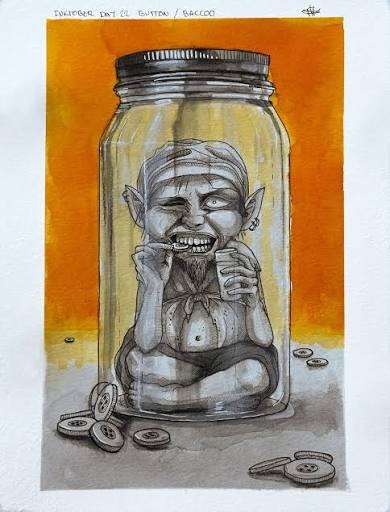
The Baccoo is a mischievous, tiny, dwarf-like spirit with large eyes and a cap, capable of shape-shifting. He lives in a corked glass bottle or on the rafters of a home. To keep him happy, his owner must feed him a constant diet of bananas and milk. In return, the Baccoo will bring his owner immense fortune, gold, and success, or rain stones down on the houses of their enemies. However, if you neglect him, starve him, or try to betray him, he will destroy your life, drive your family mad, and reduce your home to ashes.
The Baccoo shares linguistic and spiritual roots with the Bakru of neighbouring Suriname and West African folklore. It is a metaphor for the danger of greed and illicit wealth.
In tight-knit Guyanese villages, sudden, unexplained riches were often viewed with suspicion. If a neighbour suddenly gained wealth while everyone else struggled, the whispered explanation was that they had a Baccoo.
The oral tradition teaches that wealth obtained without honest labour is a curse. The Baccoo represents a toxic contract. You think you own him, but his insatiable demand for milk and bananas means he owns you. He is the manifestation of anxiety over generational curses, a warning that a family’s greed today will unleash chaos on their children tomorrow.
4. The Bush Dai-Dai
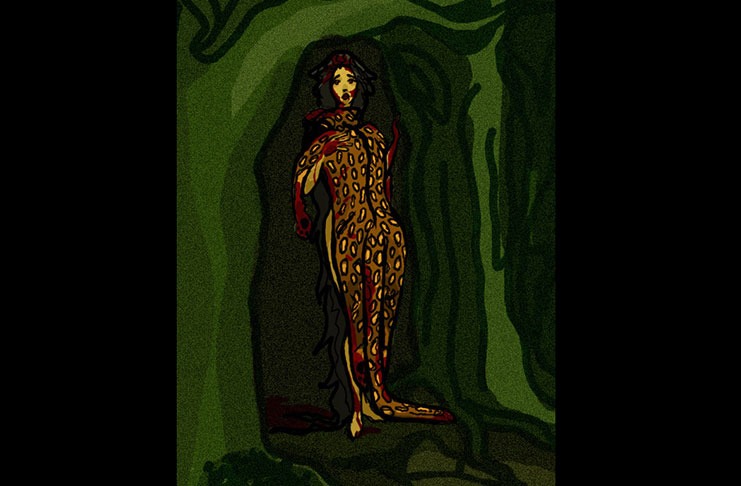
The Dai-Dai is a beautiful, deceptive forest spirit or wild woman with long flowing hair who dwells deep in the interior, particularly near old Dutch ruins, silk cotton trees, or remote savannas. They lure travellers, hunters, and gold porkknockers away from their camps with hypnotic sights or promises of hidden gold, only for the victim to vanish entirely into the wilderness.
The Bush Dai-Dai represents the hypnotic, perilous allure of the untamed. For centuries, the vast Rupununi savannahs and dense rainforests have tempted outsiders with the promise of El Dorado, unimaginable wealth in gold, timber, and diamonds. She mirrors the classic tragic trope of the interior: men who go into the bush seeking fortune, lose their minds to the isolation, and are swallowed whole by the geography. She is a reminder that the land is alive, watching, and fully capable of reclaiming those who enter it with arrogance.
Post a comment