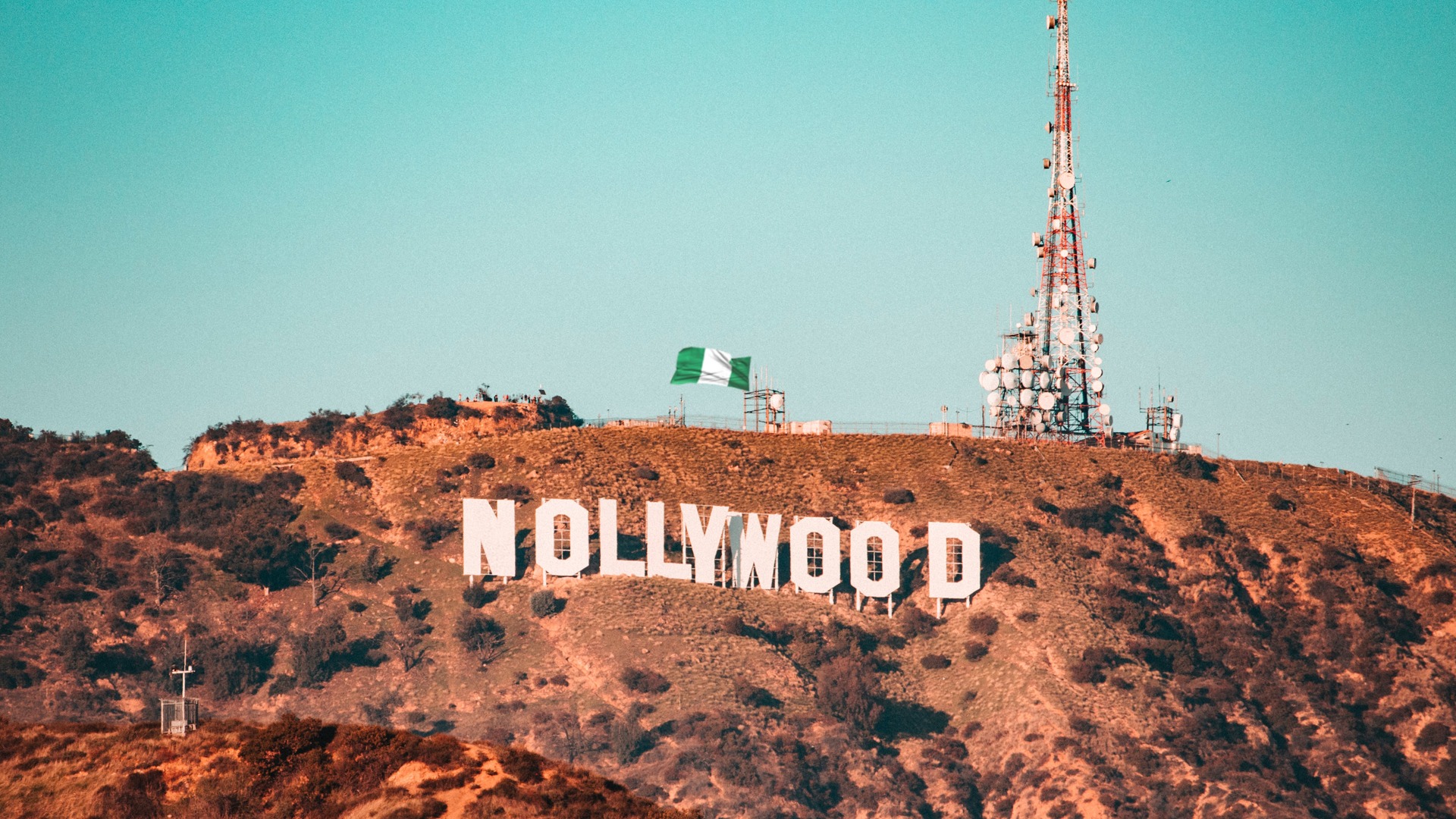
Representation and Shared Ancestry in Nollywood
While Nigerian cinema had a rich history of travelling theatre troupes and celluloid filmmakers in the 1960s and 70s, economic downturns in the 1980s made traditional filmmaking virtually impossible. Movie theatres closed, and neighbourhoods became less safe at night.
Then came 1992, and a electronics merchant named Kenneth Nnebue.
Nnebue imported a shipment of blank VHS video cassettes from Taiwan and was struggling to sell them. To create demand for the tapes, he decided to use a basic video camera to shoot a feature-length movie, straight-to-video. That movie was "Living in Bondage", directed by Chris Obi Rapu, written by Nnebue and Okechukwu Ogunjiofor, produced by Ogunjiofor, and sponsored by Jafac Wine.
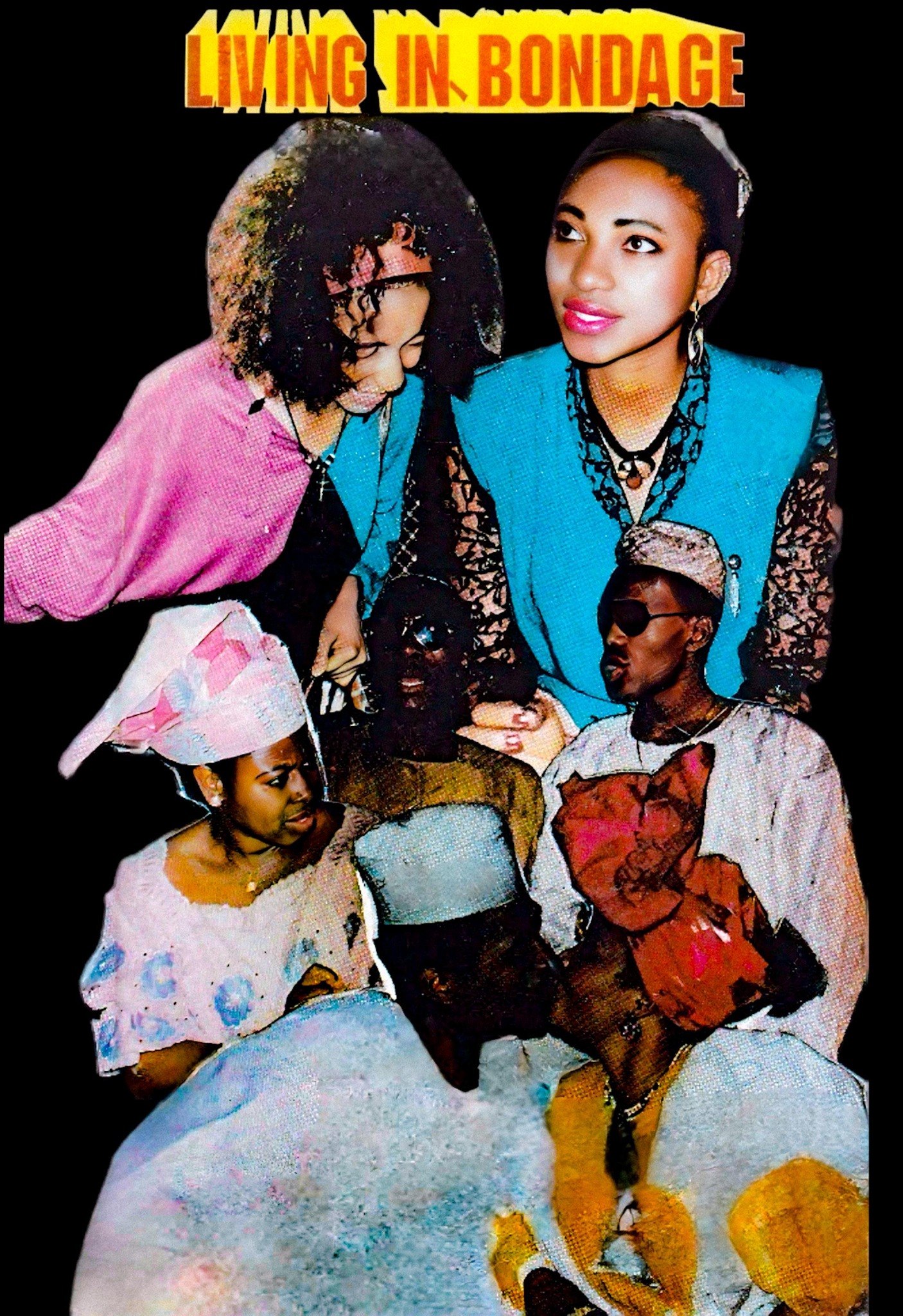
Shot on a shoestring budget in the Igbo language (and subtitled in English), the horror-thriller film told a gripping, cautionary tale of a struggling businessman, Andy Okeke (played by Kenneth Okonkwo), who enters a secret cult, sacrificing his wife for wealth, only to be haunted by her ghost.
It was an instant success and sold hundreds of thousands of copies, proving that Nigerians were hungry for local stories told by local faces, directly accessible to watch at home.
Eventually, Nollywood evolved, moving from local video markets to international streaming platforms. Following Nnebue's success, during the 1990s to mid 2000s, the Alaba International Market in Lagos became the distribution hub of a new industry. Movies were shot in just a few days on consumer-grade video cameras, edited on basic equipment, and duplicated onto VHS tapes (and later VCDs) by the millions.
Once the home video model suffered from piracy and declining video quality, a new generation of filmmakers sought to bring Nigerian film back to the big screen during the late 2000s to 2010s. They demanded higher production values, proper theatrical releases, and international appeal.
Kunle Afolayan's 2009 thriller "The Figurine" changed the game, proving that Nigerian films could achieve cinematic visual quality and complicated storytelling. "The Wedding Party" (2016) shattered box office records, turning lighthearted, high-society romantic comedies into a lucrative genre.
Presently, Nollywood is integrated into global entertainment. Major streaming giants like Netflix and Amazon Prime Video invest in original Nigerian content, licensing films globally on the same day they release. Budget boundaries have vanished, allowing for epic fantasy dramas like "Aníkúlápó" or action thrillers like "The Black Book".
Nollywood is currently the second-largest film industry in the world by volume of films produced, trailing India's Bollywood. Its global impact relies on its unapologetic relatability and diaspora connection.
For decades, African audiences were fed Western media that rarely reflected their lived realities. Nollywood puts African stories, accents, modern dilemmas, urban struggles, and ancient traditions squarely in the spotlight. Millions of Africans living in the US, UK, and across the Caribbean found an unbreakable cultural anchor through these films, passing down a taste of home to younger generations.
Influential Actors and Actresses and Tropes
Classic Nollywood (roughly spanning from the 1990s to the mid-2000s) relied on a reliable stable of exceptionally talented actors. Because the industry was turning out movies in a matter of days, directors relied on extreme typecasting. Audiences loved it because the moment a specific actor's face appeared on a VHS jacket sleeve, you knew what kind of ride you were in for. Such legendary actors defined iconic archetypal tropes.
The Wicked Mother-in-Law/Stepmother
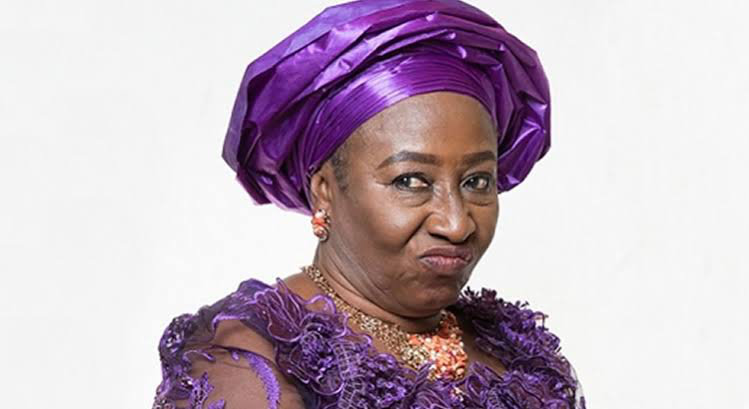
The villain of domestic Nollywood goes to Patience, affectionately known as Mama G (G for general). If a young woman married into a family or a stepchild was left in her care, Mama G was bound to make their life a living hell. Her characters specialised in dramatic side-eyes, sighs of disgust, consulting local herbalists (juju practitioners) to ruin a rival's womb, and orchestrating the downfall of anyone blocking her family's wealth.
The Wise King/Tribal Patriarch
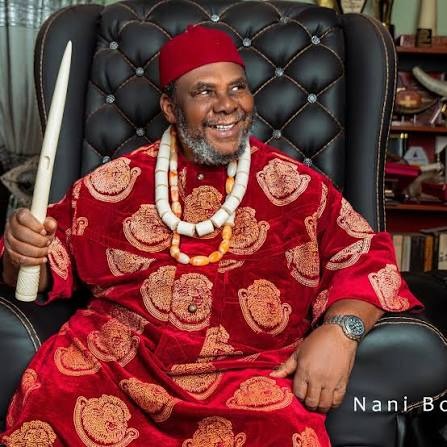
Edochie is known for playing the Igwe (King) or the unflappable family elder. Armed with a booming voice, a majestic walking stick, and an endless registry of proverbs, Edochie embodied moral authority. Sometimes he played the wealthy, corrupt patriarch who secretly ran the local occult ring, maintaining a calm demeanour while engineering disorder behind the scenes.
The Ritual Billionaire/Blood Money Uncle

Kanayo is known for playing the ambitious, wealthy uncles whose riches came with a supernatural price tag. KOK defined the "blood money" era of Nollywood. Whenever a character was desperately poor, he would show up in a fancy car, induct them into a secret cult, and demand a sacrifice (usually a wife or firstborn child) in exchange for a suitcase full of cash.
The Innocent, Long-Suffering Martyr
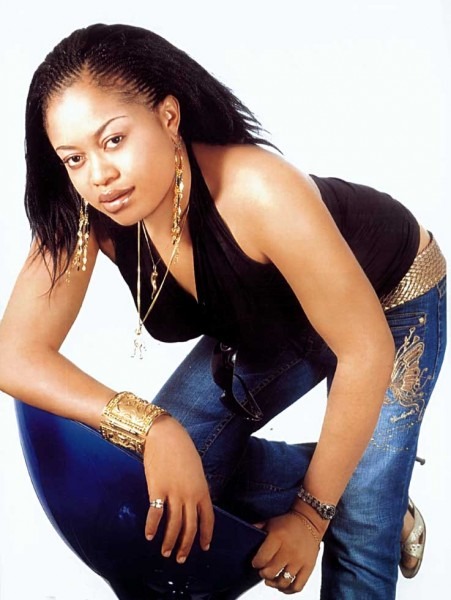
Nkiru and Rita Dominic (in her early career) were perpetually subjected to misery, abused by wicked stepmothers, abandoned by lovers, or falsely accused of witchcraft. They spent roughly 80% of the film's runtime weeping intensely.
The "Fine Boy"/Lover Boy
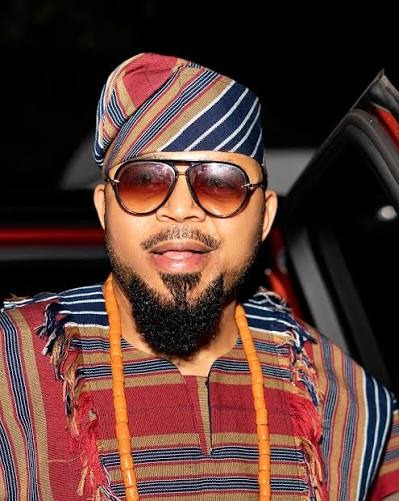
The wealthy, light-skinned or charismatic prince charming. Ramsey Nouah was the undisputed king of classic Nollywood romance. He almost always played the rich city boy who fell in love with a poor village girl, defying his elitist mother to pursue true love.
The Village Menace
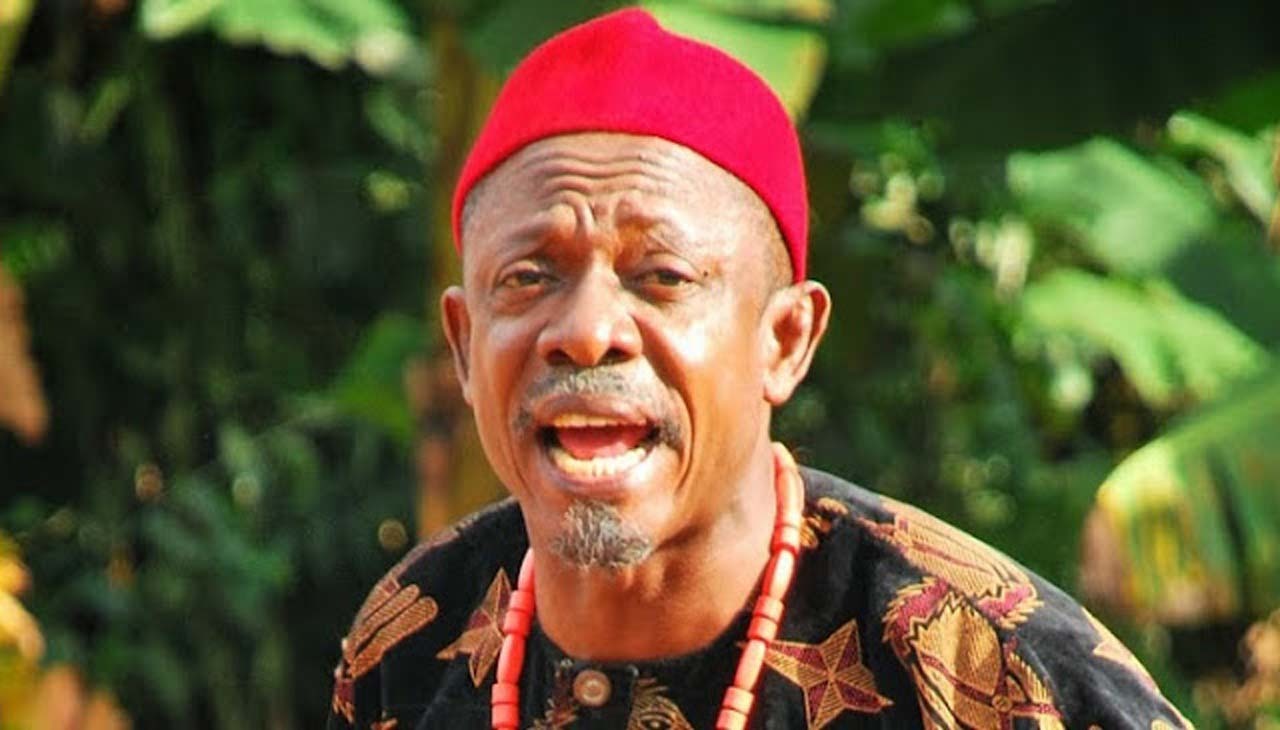
Comedy and mischief will be found in any movie Nkem is present in, especially if he is accompanied by Samuel Arase Efeimwonkiyeke (Sam Loco Efe), Chinedu Ikedieze and Osita Iheme (Aki and Pawpaw). Nkem Owoh is the slick-talking, arrogant local who gets a little bit of money (or travels abroad) and turns the village upside down with absurd antics. Meanwhile, Aki and Pawpaw perfected the trope of the troublesome duo, using their youthful appearances to pull scams, steal food, and outsmart every adult in the community.
Post a comment