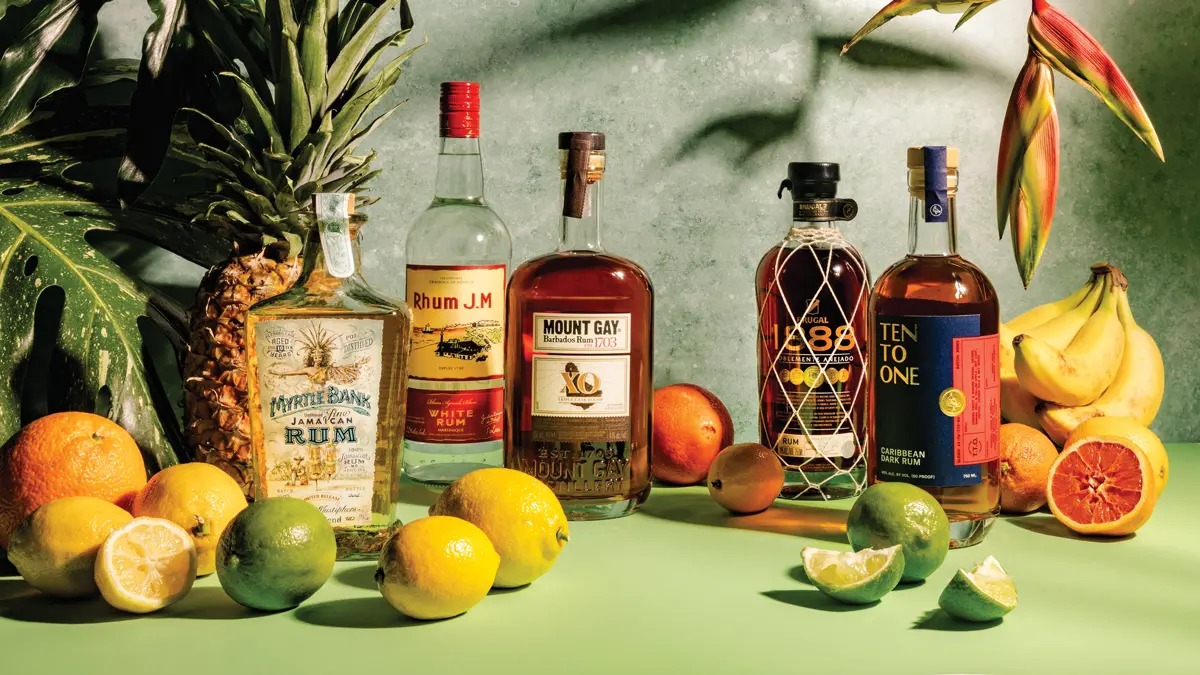
Rum Shop Philosophy
In the Caribbean, a bottle of rum is distilled history and the lifeblood of its present. Spirits are tightly woven into the social and cultural fabric of the islands and their coastal mainland. There is no better place to witness the Caribbean’s love affair with spirits than within the walls of a rum shop.
The story of rum is linked to the history of the transatlantic slave trade and the plantation economy. In the 17th century, European colonisers blanketed the Caribbean with sugar cane. Rum was a byproduct of molasses when slaves discovered that the sticky, sweet residue could be fermented into alcohol, which planters then distilled into a cheap, potent spirit initially dubbed “kill-devil.” Over time, distinct regional styles emerged, shaped by colonial influences and distillation methods.
The British Style found in countries like Guyana, Jamaica, and Barbados was known for pungent, aromatic rums distilled primarily in copper pot stills. They utilised molasses to produce spirits. Rhum Agricole, the French Style (Martinique, Guadeloupe), distilled fresh sugar cane juice instead of molasses to produce full-bodied spirits. Typically lighter, smoother, and column-distilled, the Spanish style (Cuba, Puerto Rico, Dominican Republic) makes spirits highly approachable and excellent for blending.
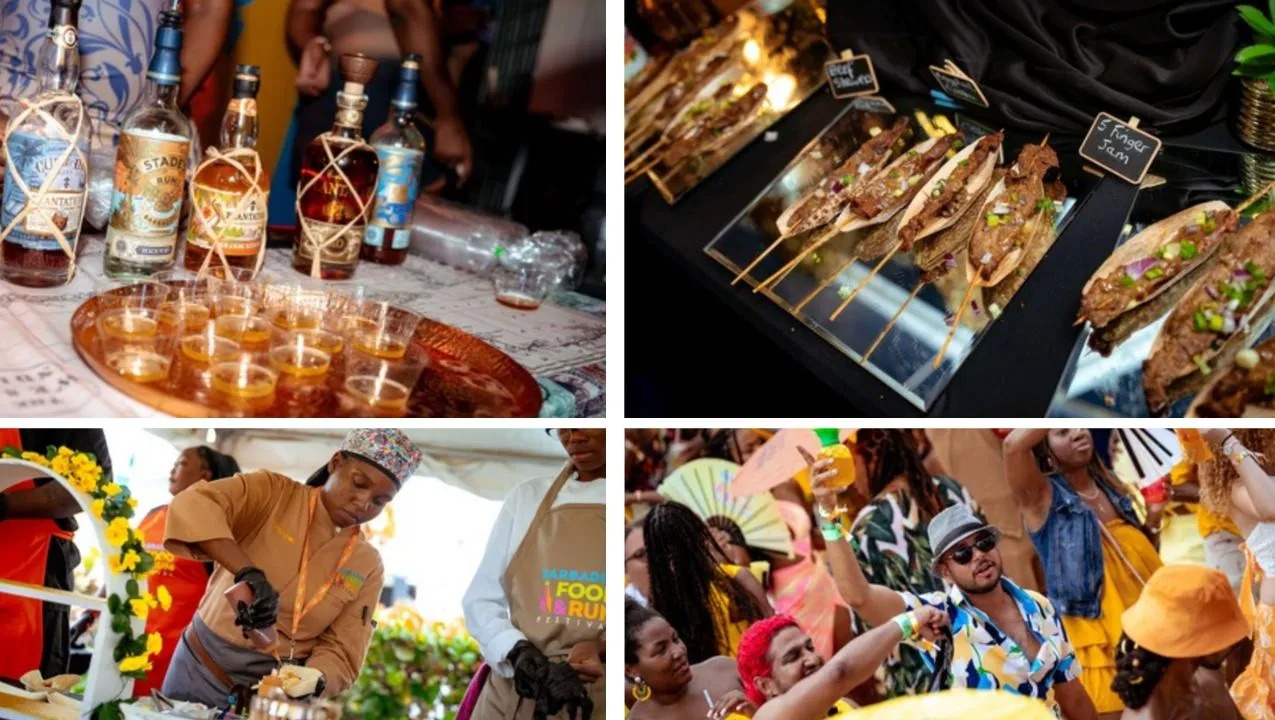
What was once a tool of colonial exploitation has been reclaimed. Ravi B put it best when he said, “rum is meh lover”, because, today, rum is a symbol of pride, craftsmanship, and most importantly, festive celebration. It flows freely during Trinidad Carnival, fuels the energy of Jamaican dancehalls, for example, Vybz Kartel’s “Street Vybz”, and sits at the centre of family gatherings across the diaspora.
Focusing on Guyana, the country is the sole home of Demerara rum, globally renowned for its dark and exceptionally rich character. The minerals in the soil enrich the sugar cane, and the humid, tropical climate accelerates the ageing process.
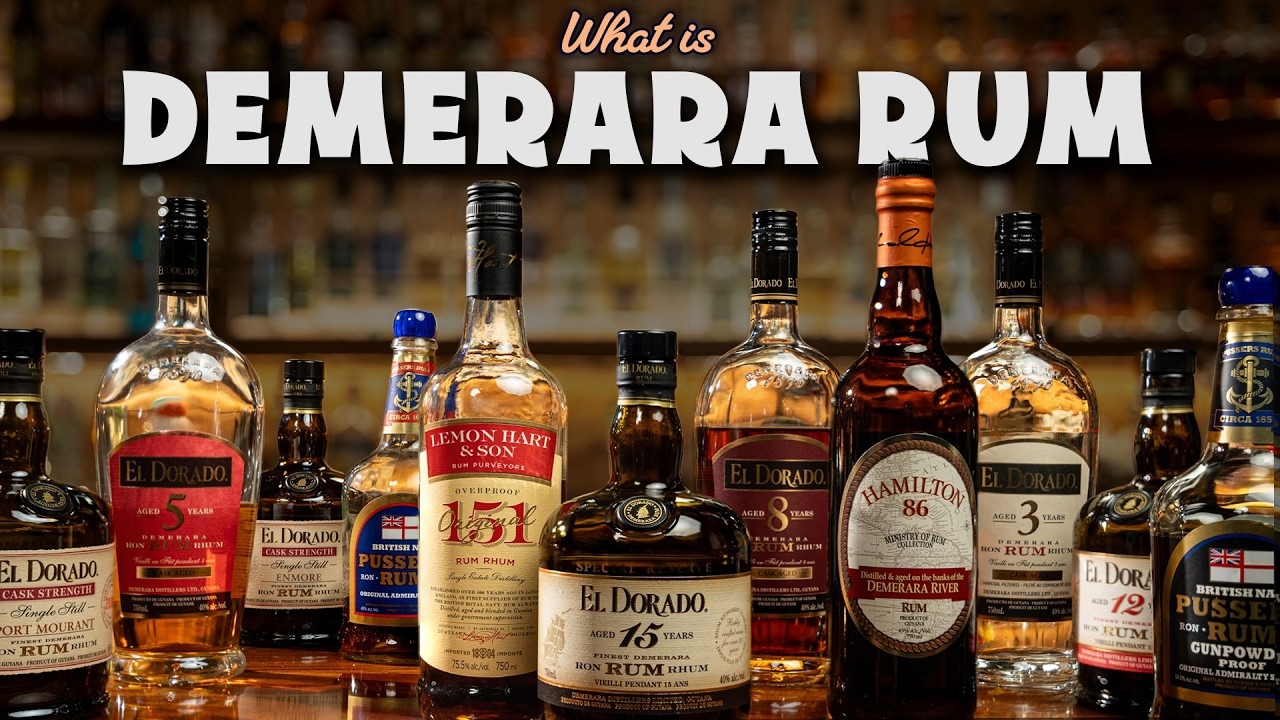
The Diamond Distillery is home to the world’s last remaining operational wooden stills, like the Port Mourant Double Wooden Pot Still and the Enmore Wooden Coffey Still. These apparatuses impart a unique oily texture to the spirit that modern steel columns cannot replicate. This distinct methodology gave birth to the world-famous El Dorado 15-Year-Old, a masterclass with notes of dark sugar, honey, and spice.
Going beyond commercial distilleries, two iconic non-alcoholic (or optionally fermented) staples that define the Guyanese palate are homemade ginger beer made from grated fresh ginger, water, sugar, and cloves, left to steep and ferment in the sun (creating the signature burn at the back of the throat), and mauby, brewed from the bitter bark of the mauby tree (Colubrina alliptica), boiled with cinnamon, aniseed, and sugar. It is definitely what you call an acquired taste, bitter at first, followed by a sweet aftertaste.
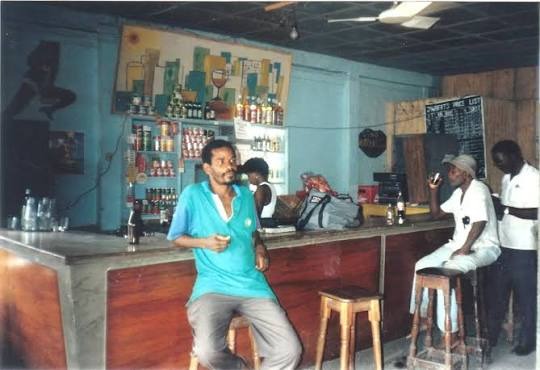
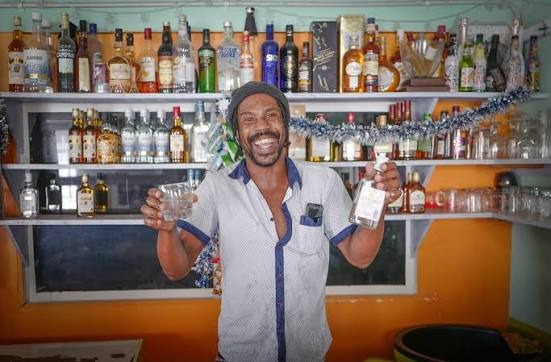
The rum shop, a community institution, a secular temple where people from all walks of life with different backgrounds and occupations sit at the same tables. Inside the rum shop, the atmosphere is clinking bottles, slamming dominoes, a TV with sports playing that almost every patron has bets on, a card game, and a lot of debate, talking, and swearing.
In this space, a bottle of rum is rarely bought by the glass; it is bought by the flat (half-bottle) or the quarter, accompanied by a bowl of ice and a pitcher of water or cola. Stories are told over drinks, current events are dissected, cricket matches are replayed ball-by-ball, and national politics are debated with more passion than an episode of the Jerry Springer Show.
The bar tables are cluttered with local favourites, like El Dorado (5, 8, or 12-Year), XM Rum (Classic 5-Year or 10 Year-Royal), beers and coolers (Banks, Stag (“The Man’s Beer”), GT Beer, Heineken, Guinness, and Shandy), international imports/imported spirits (Hennessy Cognac, Grey Goose, Smirnoff, Ivanoff Vodka) and cutters (fried fish and plantain, black pudding, channa).
Post a comment