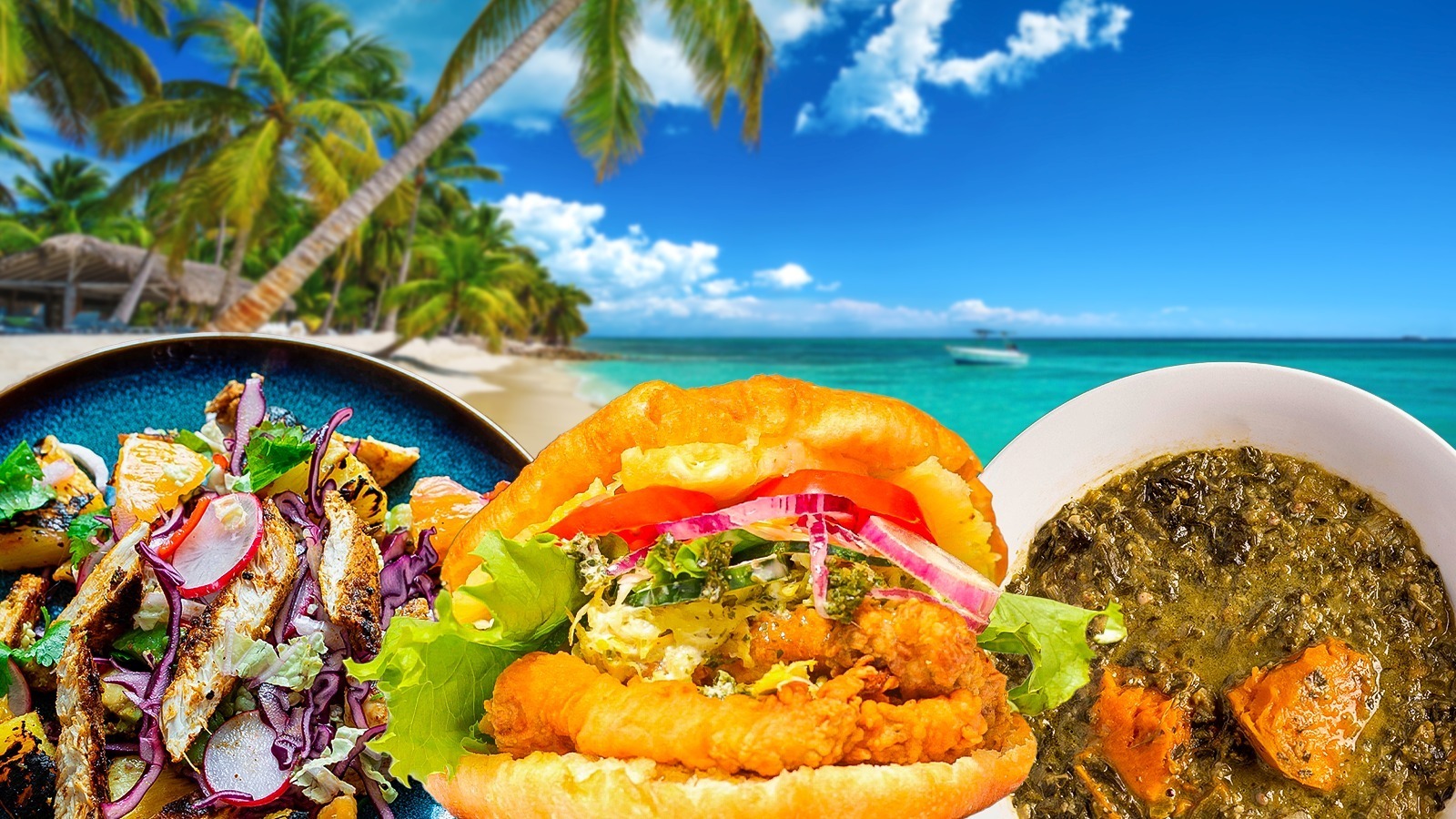
The Flavours of the Caribbean
To look at Caribbean cuisine is to read an unedited history book of the world. Our food is a messy fusion and innovation of Indigenous, African, East Indian, and Chinese cultures that collided in the West Indies.
I love Caribbean food. It's a great melting pot of so many cultures including the Native Americans
1. Guyana
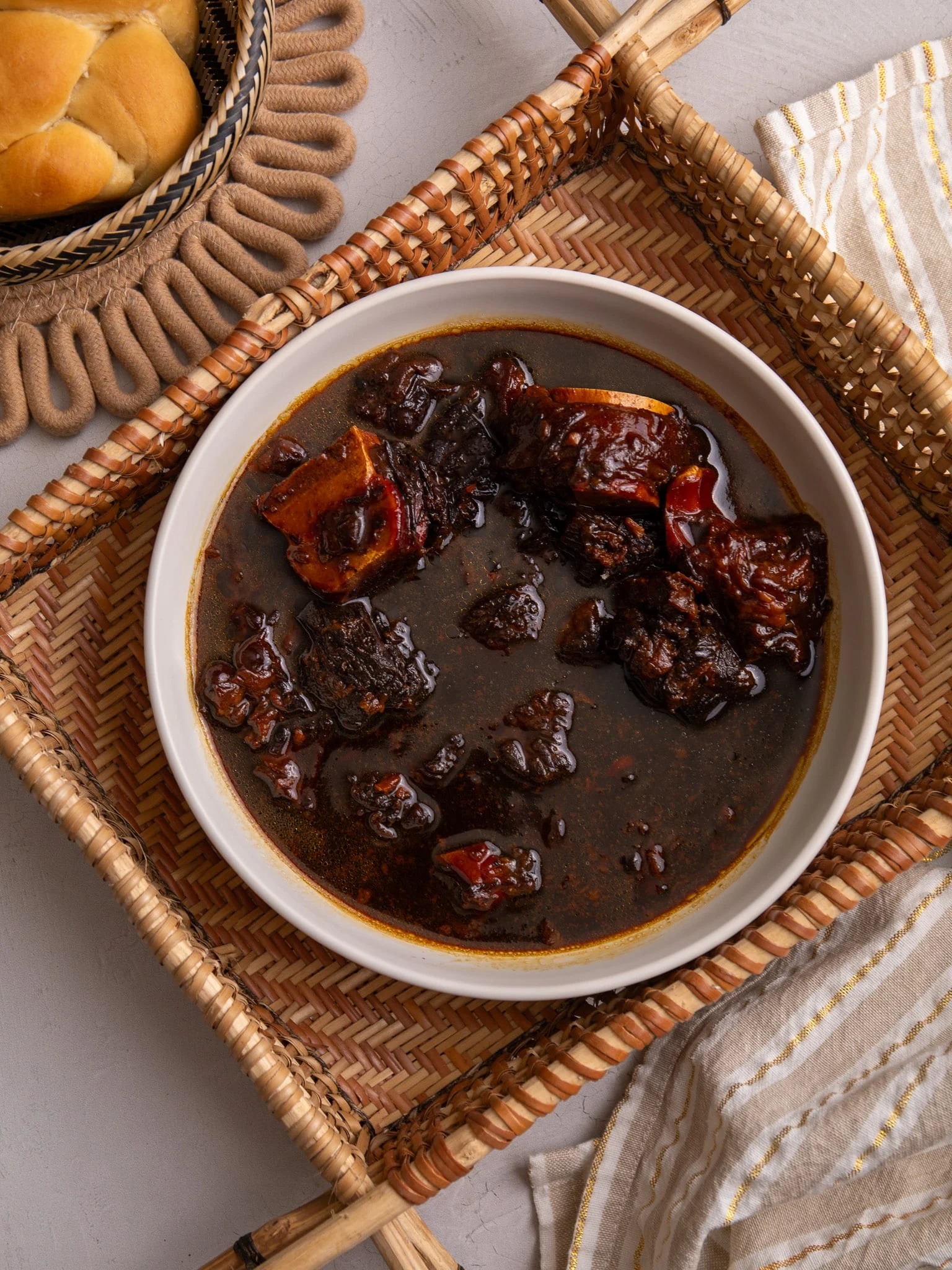
A slow-cooked meat stew flavoured with cinnamon, clove, and hot peppers. It gets its colour and basic flavour profile from cassareep, a thick, black liquid made from the concentrated juice of cassava root. It is traditionally eaten with bread around the Christmas season.
Pepperpot is the foundational dish of Guyana, created by the Amerindians. Casareep was invented as an ingenious preservation method because its natural antiseptic properties allowed a pot of meat to sit on a stove safely for days without spoiling. It shares a culinary DNA with Mexican Mole Poblano (due to the thick, spicy-sweet dark sauce base) and Native American pepper pots found across the Americas.
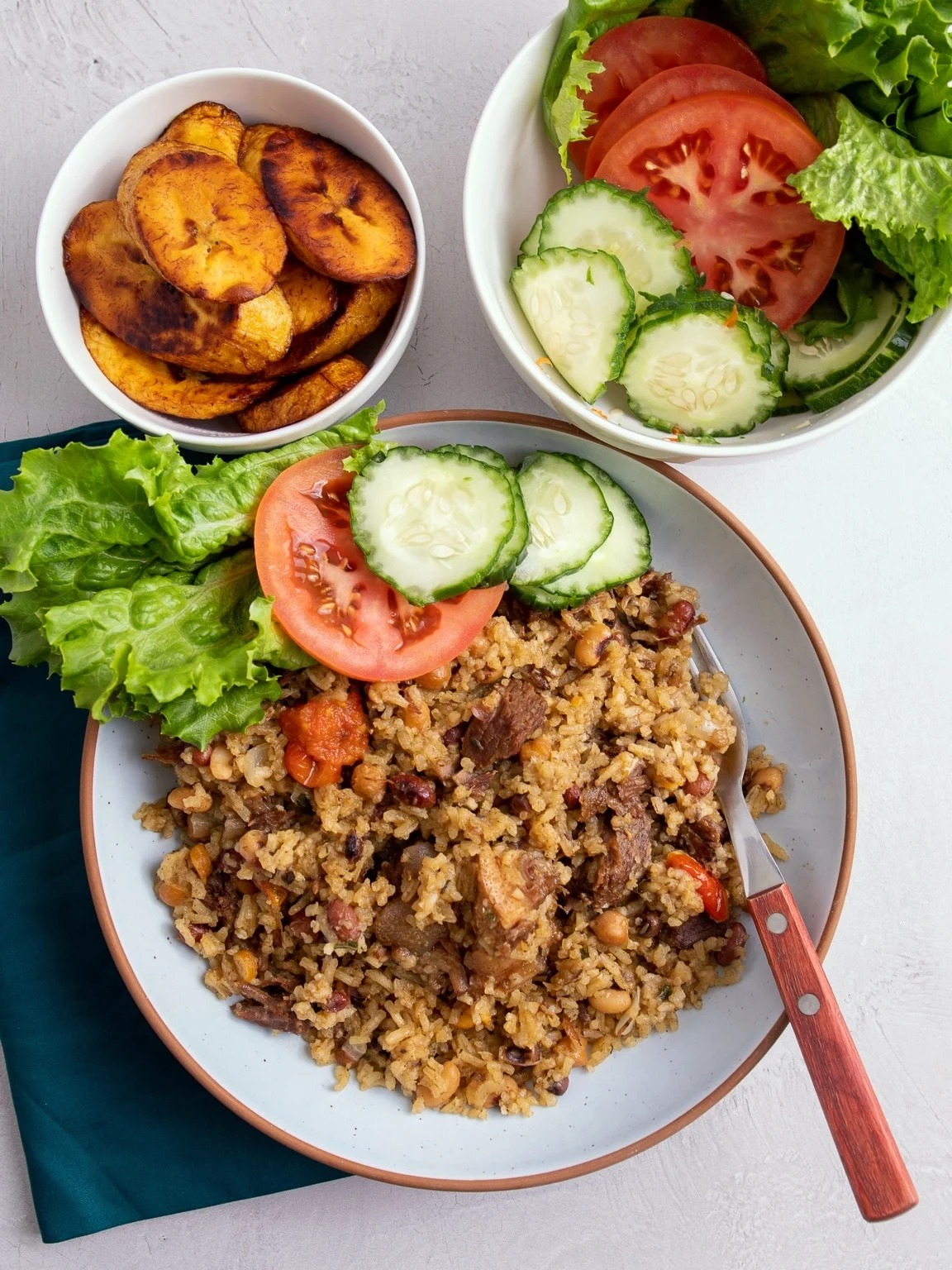
Cook-up is a one-pot rice dish where peas (black-eyed, split peas, red peas (red kidney beans)), coconut milk, fresh herbs (dried thyme, broad-leaf thyme, and married-man-pork), and various meats (chicken, beef, pork, etc.) are pressure-cooked or boiled down until the liquid is fully absorbed.
It was born out of the survival customs of enslaved Africans in Guyana, who combined whatever rations were left at the end of the workweek into one pot. It is a direct cousin to Louisiana Jambalaya, West African Jollof Rice, and Spanish Paella.
2. Trinidad & Tobago
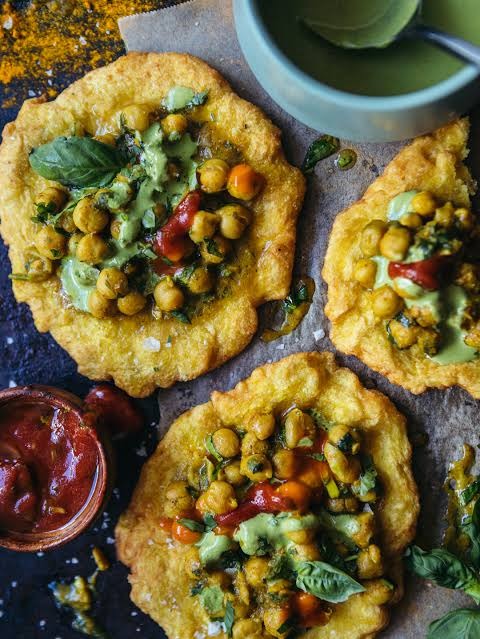
Doubles are the kings of Caribbean street food. They consist of two fried flatbreads (called bara) sandwiched together and filled with curried chickpeas (channa), topped with mango chutney, shado beni (culantro), cucumber, and pepper sauce.
They were invented in Trinidad in 1963 by Emamool Deen (Mamoodeen), an East Indian vendor. It evolved from traditional Indian street food as a cheap, portable, and filling breakfast for working-class labourers. Doubles are directly descended from the North Indian street food Chole Bhature (which features a large fried bread served alongside spiced chickpeas).
3. Jamaica
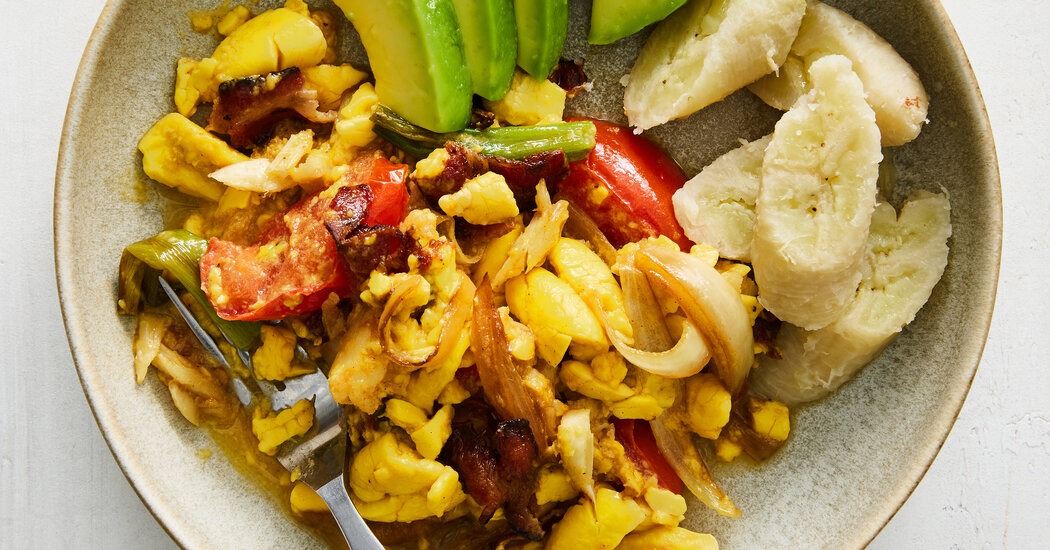
Ackee and Saltfish is Jamaica’s national dish. Salted codfish is sautéed with boiled ackee (a delicate fruit that turns yellow and resembles scrambled eggs when cooked), onions, scotch bonnet peppers, pimento, and tomatoes.
Ackee was brought to Jamaica from West Africa aboard slave ships in the 18th century, while saltfish was a cheap, preserved protein imported from North America to feed enslaved populations. Visually and texturally, it mimics scrambled eggs.
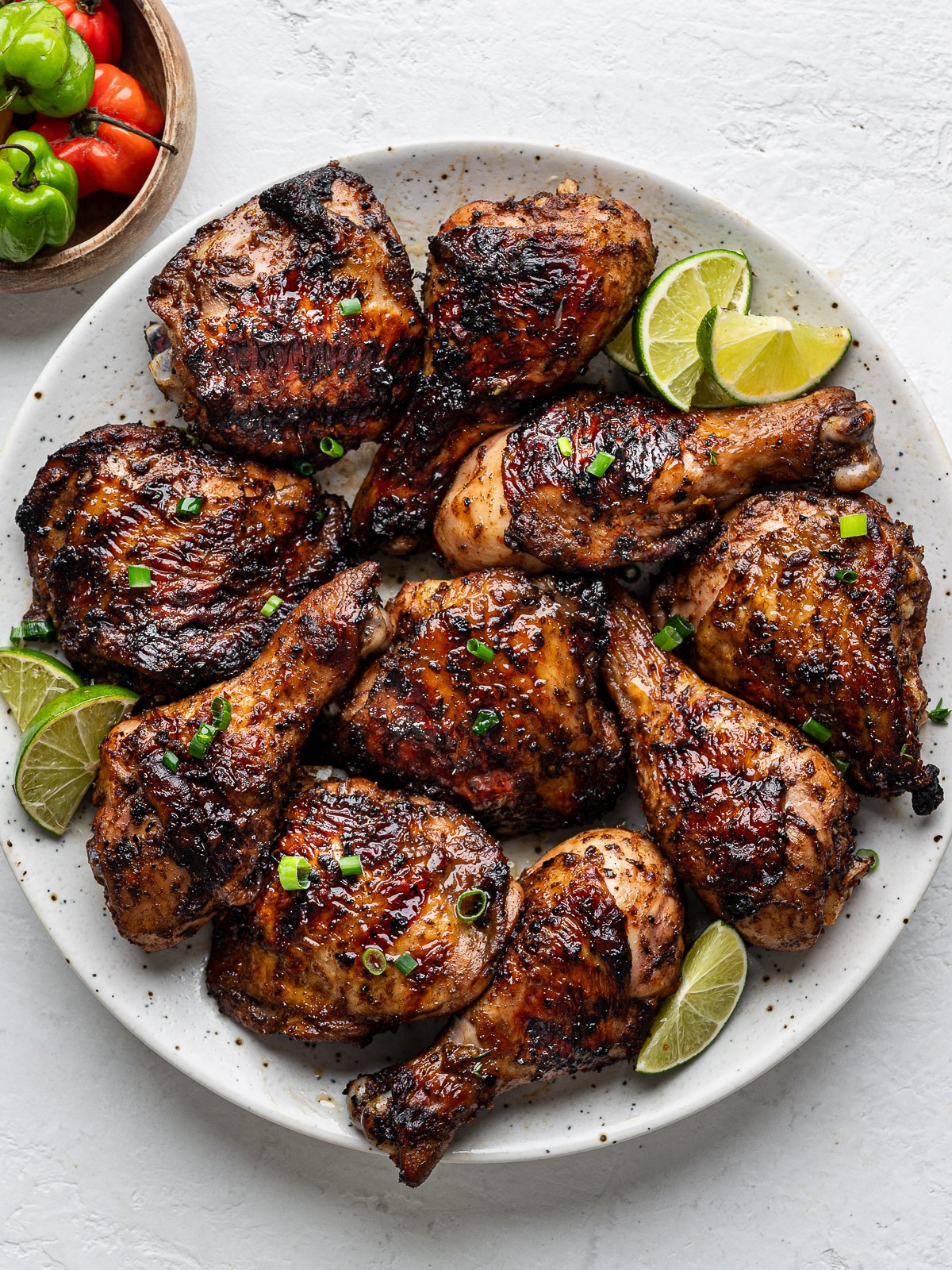
Chicken dry-rubbed or wet-marinated with a blend of allspice, scotch bonnet peppers, thyme, and scallions, then slow-cooked over pimento wood.
It was created by the Maroons (escaped enslaved Africans who fled into the Jamaican mountains). They adapted African meat-preservation techniques, using wild boards and burying the meat in smoking pits underground so smoke wouldn’t alert colonial soldiers to their hideouts. It looks similar to American smoked barbecue (specifically Texas or Carolina style), which shares the same philosophy of using specific woods to flavour slow-cooked meats.
4. Barbados
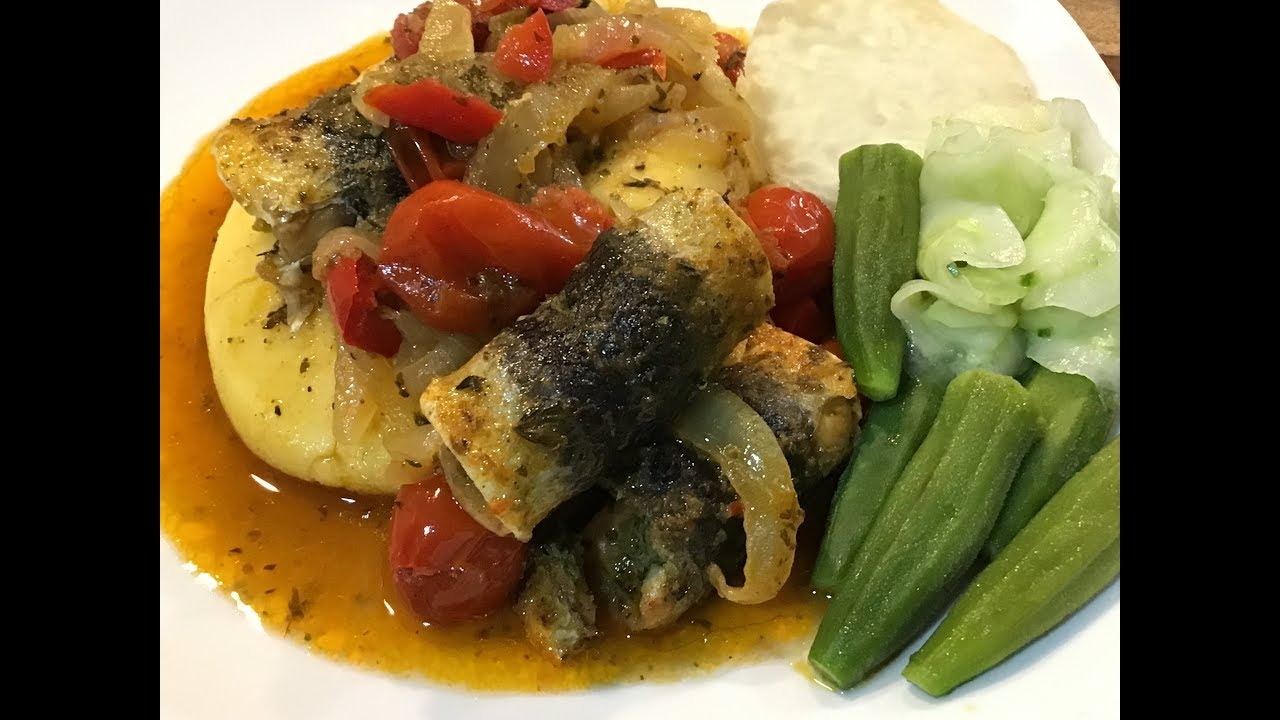
Cou-cou is a smooth, cornmeal porridge cooked with okra served alongside fresh flying stewed in tomato and onion gravy.
The national dish of Barbados was born straight from the transatlantic slave trade. Cornmeal and okra were staples provided to the enslaved Africans by British plantation owners because they were cheap, shelf-stable, and high in energy. Cou-cou is identical in texture and technique to Italian Polenta, East African Ugali, and Southern American grits.
Consuming authentic Caribbean food can be an emotionally moving experience, not only in terms of the euphoria caused by its fresh ingredients, intense flavors, and spicy seasonings, but also in the awareness that diverse groups of people have had to come together in various state of contentment and discontentment in order to produce even just a morsel of a Caribbean meal.
Post a comment