Calypso, Reggae Roots, Soca and Dancehall
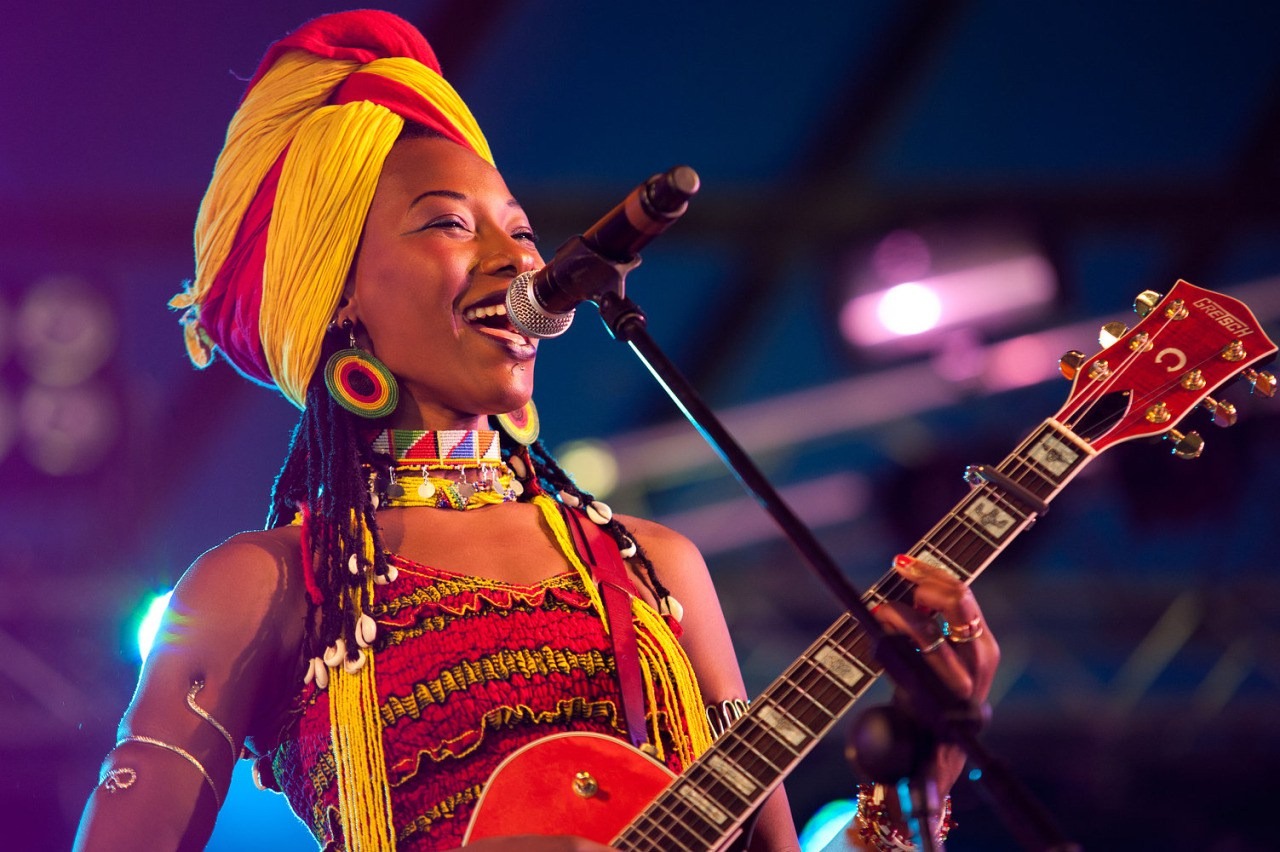
To the untrained ear, music from Caribbean artistes might sound like a background soundtrack, but to those who live and experience it, the music helps us process trauma, mock corrupt politicians, heal spiritual wounds, and dance away our burdens. The genres of Calypso, Reggae, Dancehall, and Soca are musical styles that look at the shifting consciousness of the Caribbean identity.
1. Calypso
Originating in Trinidad, Calypso is the foundational bedrock of Caribbean musical commentary. It was born out of the kaiso traditions of West African enslaved labourers who communicated their escape plans and mocked their captors through song. Long before recording studios, the Calypsonian was the community’s griot and sharpest critic. Using double entendres (picong) and brilliant wordplay, artists created a safe weapon to attack colonial masters, and later, post-independence politicians who failed the people.
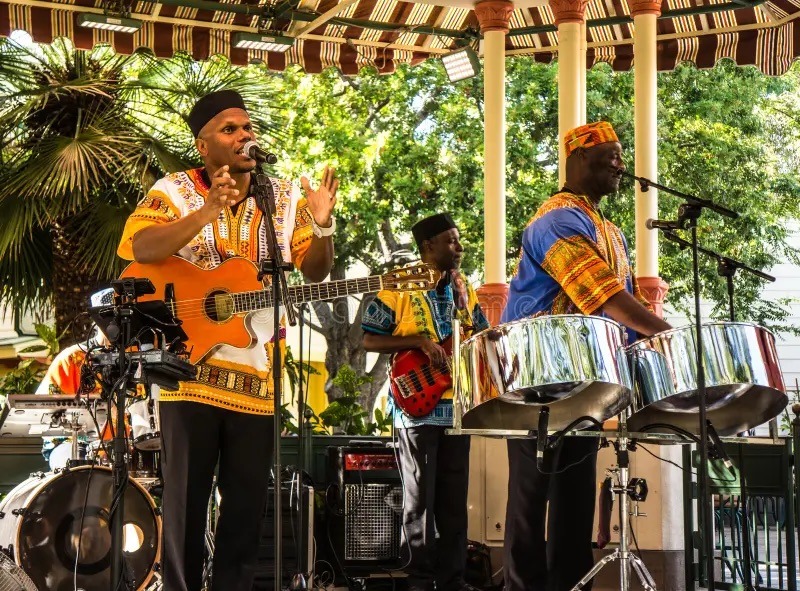
Pioneers like Lord Kitchener and The Mighty Sparrow dominated the mid-20th century. Sparrow’s “Dan Is The Man (In The Van)” brilliantly satirised the absurdities of the British colonial education system, turning a critique of systemic brainwashing into a danceable hit. Later, Black Stalin and Chalkdust carried the mantle, holding governments accountable to the values of the working class.
According to the education
You get when you small
You will grow up with true ambition
And respect from one and all
But in my days in school
They teach me like a fool
The things they teach me
Ah should be ah block-headed mule
In Guyana, Calypso legends like Lord Cannery, later known as The Mighty Canary, became a household name. Guyana’s annual Calypso Monarch competition at Mashramani remains the area where artists fearlessly express their patriotism, show love for their country’s beauty, and address local governance and economic hardships.
2. Reggae
Reggae emerged from the slums of Kingston, Jamaica, in the late 1960s, slowing down the tempo of Ska and Rocksteady, aligning with the human heartbeat and bassline of African nyabinghi drumming. Beyond the commercialised image of beachside relaxation lies an uncompromising spiritual philosophy rooted in Rastafari and pan-African unity.
For the marginalised, Reggae became a moral code. Bob Marley, the Global Prophet of liberation, sang love songs, but he also sang “Redemption Song” and “War”, breaking down systemic oppression (“Babylon”). South Africa’s Lucky Dube weaponised the genre to dismantle the psychological chains of Apartheid and proved reggae’s power to unite the global south.
3. Dancehall
No genre faces as much conservative backlash in the Caribbean as Dancehall. The older, religious generation frequently criticises it for its unfiltered lyricism, hyper-sexualised dancing, and glorification of “garrison” (ghetto) life.
Born as an evolutionary branch of Reggae, Dancehall stripped away the international pop aspirations and focused on the local street parties hosted around sound systems. For impoverished individuals, a dancehall session is a space for escapism and bodily liberation. The same youth who spend Sunday morning singing hymns in a conservative church will spend Saturday night at a session, locked into the hypnotic riddims of Dancehall.
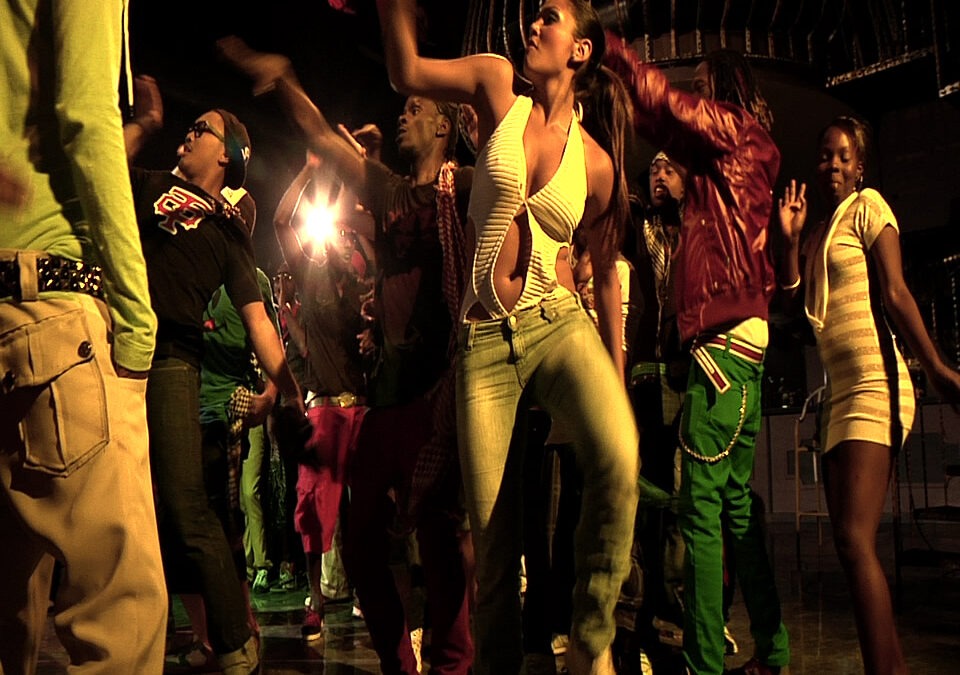
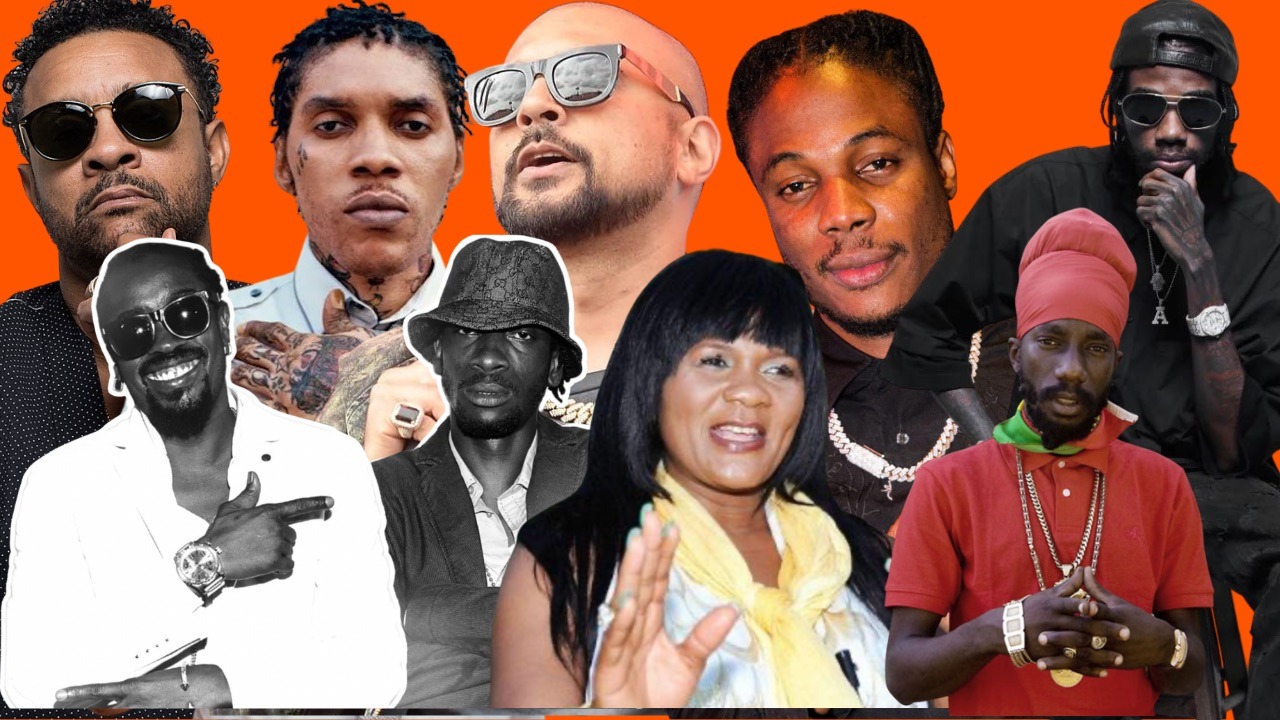
Dancehall is an entire subculture and a space where marginalised women claim agency over their bodies through dance moves. Influential icons from Yellowman, Beenie Man, Lady Saw, Shabba Ranks, Shaggy, and Super Cat to modern titans like Vybz Kartel, Spice, Alkaline and Valiant have shaped a generation’s language, slang, and cultural identity, proving that the street corner has more power to move culture.
4. Soca
Invented in the 1970s by Trinidad’s Lord Shorty (Garfield Blackan), Soca, short for “Soul of Calypso”, was created by fusing the foundations of African-derived Calypso with East Indian structures like the dholak and dhantal.
Soca was born as a multi-ethnic embrace, engineered to untie a divided society through a driving beat. Today, it powers Caribbean festivals like Trinidad Carnival and Guyana’s Mashramani. When a Soca song drops at a festival or party, race, class and political affiliation evaporate, and all that remains is our uncrushable joy.
Artists like Machel Montano (the undisputed King of Soca), Bunji Garlin, Kes, Fay-Ann Lyons, and Patrice Roberts have turned the genre into a global powerhouse. Their music forces thousands of strangers to lock hands, wave flags, and wine up together in the middle of a road.
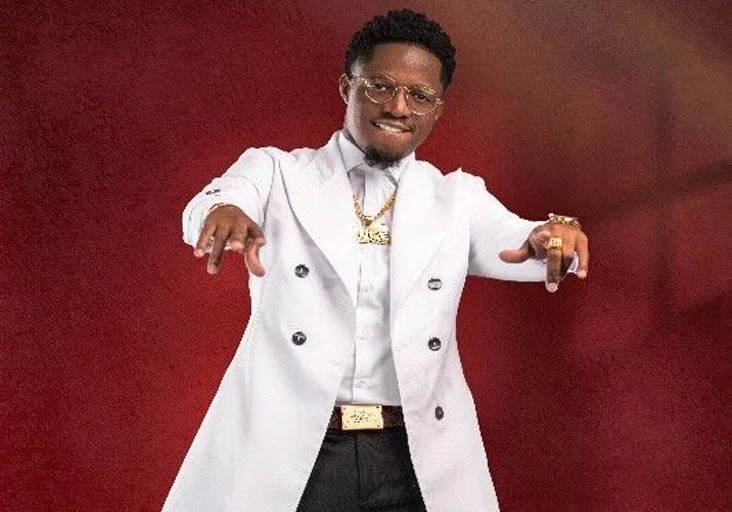
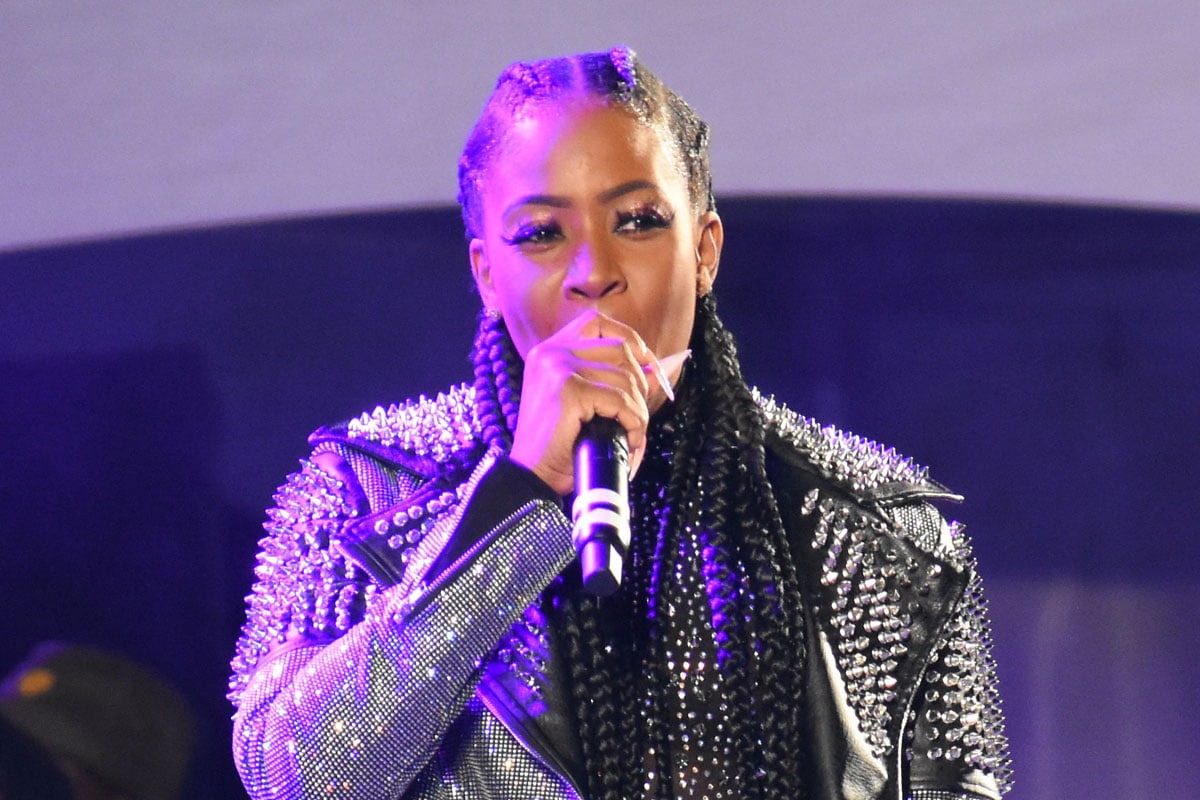
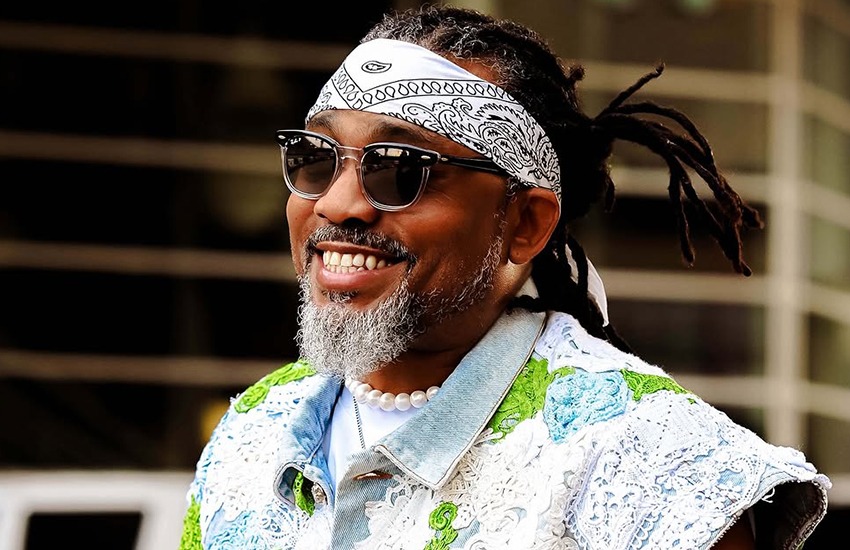
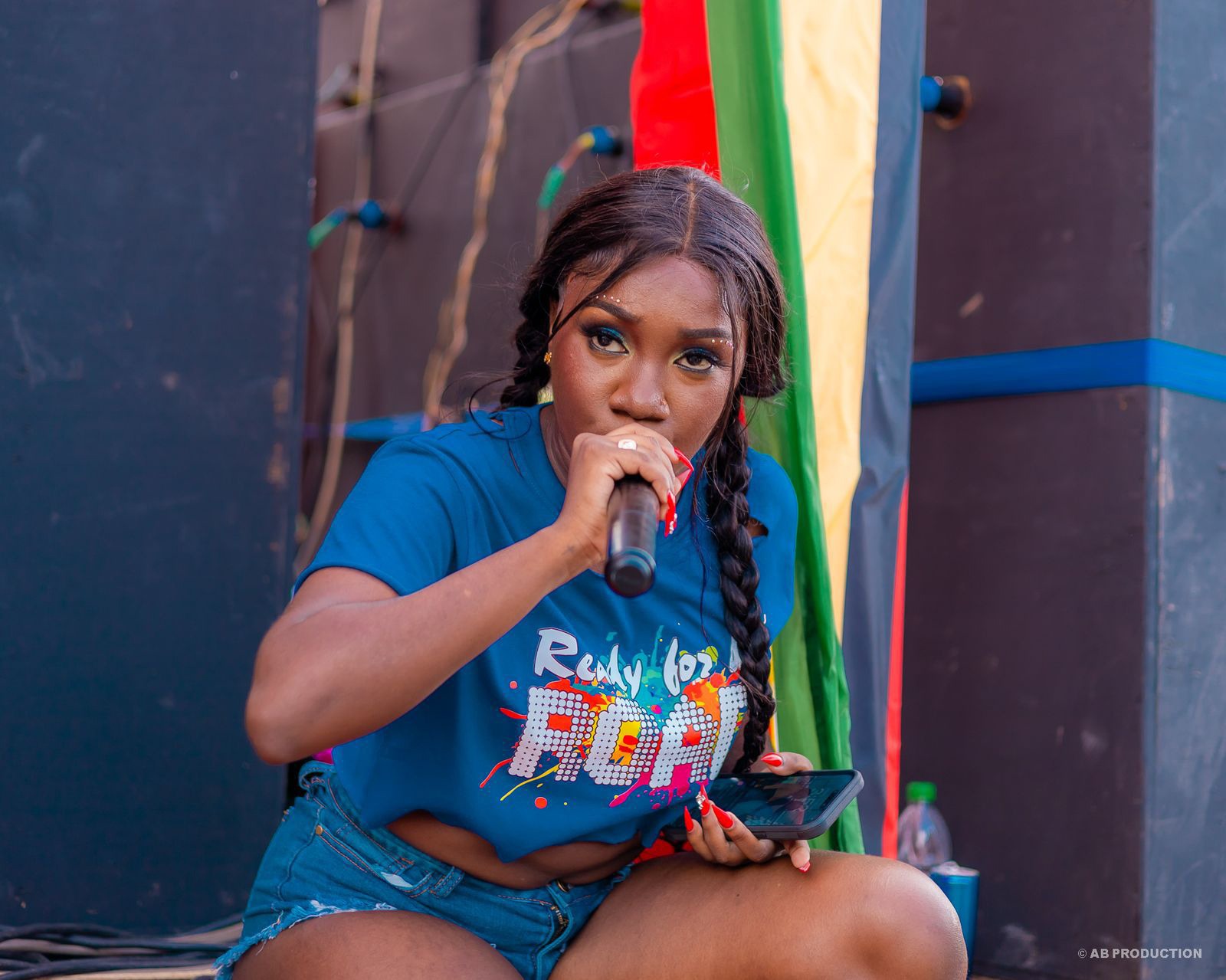
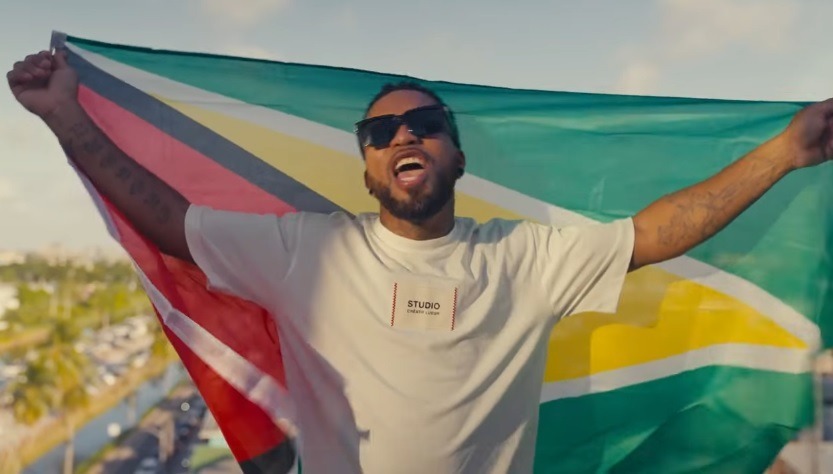
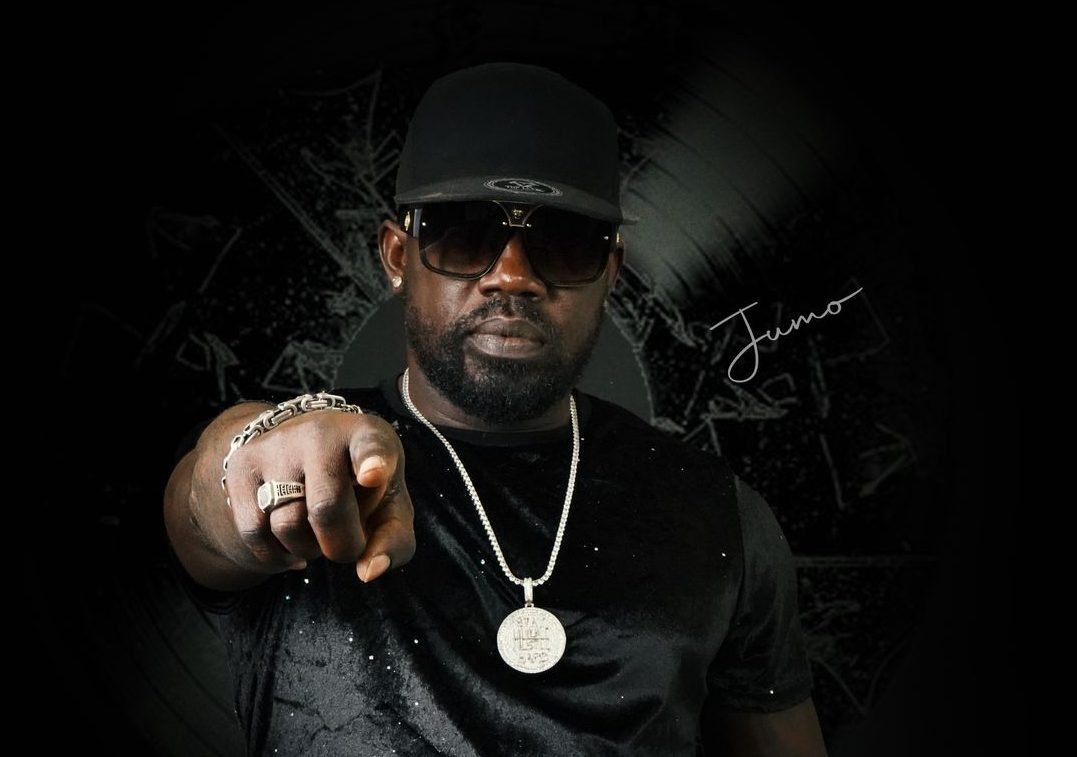
In Guyana, Omaiah Hall, Adrian Dutchin and Jumo Primo have created anthems that celebrate national pride and the bliss of being alive.
Post a comment